World No Tobacco Day: A Global Call for a Tobacco-Free Future

Normal Delivery: What to Expect, Benefits and Complications
May 25, 2026
Importance of Breast Feeding: A Complete Guide for New Mothers
June 1, 2026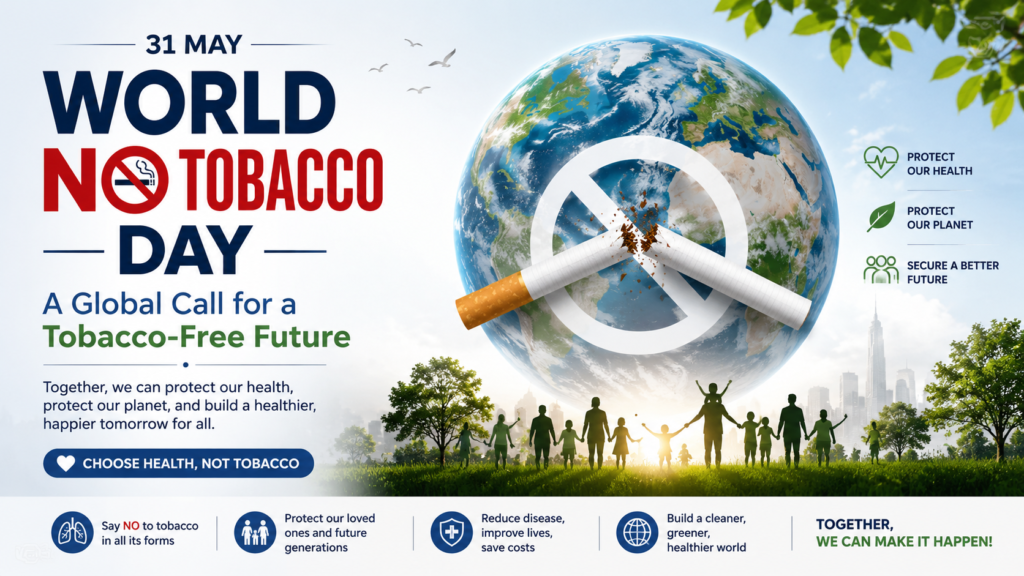
Every year on May 31, the world observes World No Tobacco Day to raise awareness about the harmful effects of tobacco use and encourage people to quit smoking and other tobacco-related habits. Initiated by the World Health Organization, this global campaign highlights the health risks associated with tobacco consumption and promotes policies that help reduce tobacco use worldwide.
Tobacco remains one of the leading causes of preventable deaths across the globe. Despite widespread awareness campaigns, millions of people continue to use tobacco products, putting themselves and those around them at risk. World No Tobacco Day serves as a reminder that a healthier, tobacco-free life is possible and beneficial for everyone.
What Is World No Tobacco Day?
World No Tobacco Day was established in 1987 by the World Health Organization (WHO) to draw global attention to the tobacco epidemic and its deadly consequences. The day encourages governments, healthcare professionals, educational institutions, and communities to take action against tobacco use and promote healthier lifestyles.
Each year, the campaign focuses on a specific theme related to tobacco control, such as protecting youth from tobacco industry tactics, reducing tobacco-related diseases, or creating tobacco-free environments.
Why Tobacco Use Is a Serious Health Concern
Tobacco contains thousands of harmful chemicals, many of which are toxic and carcinogenic. Whether smoked, chewed, or inhaled through other forms, tobacco significantly increases the risk of numerous health problems.
1. Cancer
Tobacco use is directly linked to several types of cancer, including:
- Lung cancer
- Mouth cancer
- Throat cancer
- Esophageal cancer
- Bladder cancer
- Pancreatic cancer
Smoking is responsible for the majority of lung cancer cases worldwide.
2. Heart Disease
Smoking damages blood vessels and increases blood pressure, leading to:
- Heart attacks
- Stroke
- Coronary artery disease
- Peripheral vascular disease
Even occasional smoking can significantly increase cardiovascular risks.
3. Respiratory Diseases
Tobacco smoke damages the lungs and airways, causing:
- Chronic Obstructive Pulmonary Disease (COPD)
- Chronic bronchitis
- Emphysema
- Asthma complications
These conditions can severely impact a person’s quality of life.
4. Reproductive and Pregnancy Complications
Tobacco use can negatively affect fertility in both men and women. During pregnancy, smoking increases the risk of:
- Premature birth
- Low birth weight
- Miscarriage
- Stillbirth
Women planning a family should seek guidance from qualified healthcare professionals. Consulting experienced specialists such as the Best Gynecologist Obstetricians in Aligarh can help ensure a healthier pregnancy journey and better maternal outcomes.
The Impact of Secondhand Smoke
Many people believe that smoking only affects the smoker. However, secondhand smoke is equally dangerous.
Secondhand smoke contains harmful chemicals that can cause:
- Lung cancer in non-smokers
- Heart disease
- Respiratory infections
- Asthma attacks in children
- Sudden Infant Death Syndrome (SIDS)
Children exposed to tobacco smoke often experience frequent respiratory illnesses and developmental challenges.
Tobacco and Youth: A Growing Concern
One of the biggest challenges in tobacco control is preventing tobacco use among young people. Tobacco companies often market products in ways that appeal to youth through attractive packaging, flavored products, and digital advertising.
Young people who begin using tobacco early are more likely to develop long-term addiction and face serious health consequences later in life.
Parents, teachers, and community leaders play a critical role in educating young people about the dangers of tobacco and helping them make healthier choices.
Benefits of Quitting Tobacco
The good news is that quitting tobacco can provide immediate and long-term health benefits.
Within 20 Minutes
- Heart rate begins to return to normal.
- Blood pressure starts to improve.
Within 24 Hours
- Carbon monoxide levels in the blood decrease.
- Oxygen levels improve.
Within Weeks
- Lung function starts improving.
- Circulation becomes better.
- Physical activity becomes easier.
Within One Year
- Risk of heart disease drops significantly.
Within Five to Ten Years
- Stroke risk decreases.
- Risk of several cancers begins to decline.
Long-Term Benefits
- Better respiratory health
- Improved quality of life
- Increased life expectancy
- Reduced healthcare expenses
Regardless of age, quitting tobacco is one of the best decisions a person can make for their health.
Challenges People Face While Quitting
Nicotine is highly addictive, making it difficult for many individuals to stop using tobacco. Common withdrawal symptoms include:
- Cravings
- Irritability
- Anxiety
- Difficulty concentrating
- Mood changes
- Sleep disturbances
These symptoms are temporary and usually improve over time. Support from healthcare professionals, family members, and support groups can greatly increase the chances of successful quitting.
Effective Strategies to Quit Tobacco
Set a Quit Date
Choose a specific date to stop using tobacco and prepare mentally for the change.
Identify Triggers
Recognize situations, emotions, or environments that trigger tobacco use and develop alternative coping mechanisms.
Seek Professional Help
Healthcare providers can recommend counseling, behavioral therapy, and approved nicotine replacement therapies when appropriate.
Stay Active
Regular exercise helps reduce cravings and improves mood.
Build a Support System
Friends, family members, and support groups can provide encouragement and accountability during the quitting process.
Avoid High-Risk Situations
Staying away from environments where tobacco use is common can help prevent relapse.
The Environmental Impact of Tobacco
Tobacco harms not only human health but also the environment.
The tobacco industry contributes to:
- Deforestation
- Soil degradation
- Water pollution
- Air pollution
- Plastic waste from cigarette filters
Cigarette butts are among the most commonly littered items worldwide and can take years to decompose.
Reducing tobacco consumption can contribute to a cleaner and healthier environment for future generations.
How Communities Can Support a Tobacco-Free World
Creating a tobacco-free society requires collective action. Communities can help by:
- Organizing awareness campaigns
- Supporting smoke-free public spaces
- Educating young people
- Providing access to cessation programs
- Promoting healthy lifestyle choices
Schools, workplaces, healthcare institutions, and local governments all have important roles in tobacco prevention and control.
The Role of Healthcare Professionals
Doctors, nurses, counselors, and public health experts are essential in helping individuals quit tobacco. Through education, screening, counseling, and treatment, healthcare professionals can significantly reduce tobacco-related illnesses and deaths.
Healthcare providers also advocate for stronger tobacco-control policies and public awareness initiatives that protect communities from tobacco exposure.
Conclusion
World No Tobacco Day is more than just an annual observance—it is a global movement aimed at protecting lives and promoting healthier communities. Tobacco continues to cause millions of preventable deaths every year, but through awareness, education, and collective action, significant progress can be made.
Quitting tobacco is one of the most important steps a person can take toward better health. Whether you are a smoker, a healthcare provider, a parent, or a community leader, your actions can contribute to a tobacco-free future.