Stretch Marks in Pregnancy: Causes, Prevention, and Effective Care

Fertility and Sugar: Understanding the Connection for Better Reproductive Health
June 16, 2026
Who Should Consider IVF Treatment? A Complete Guide
June 26, 2026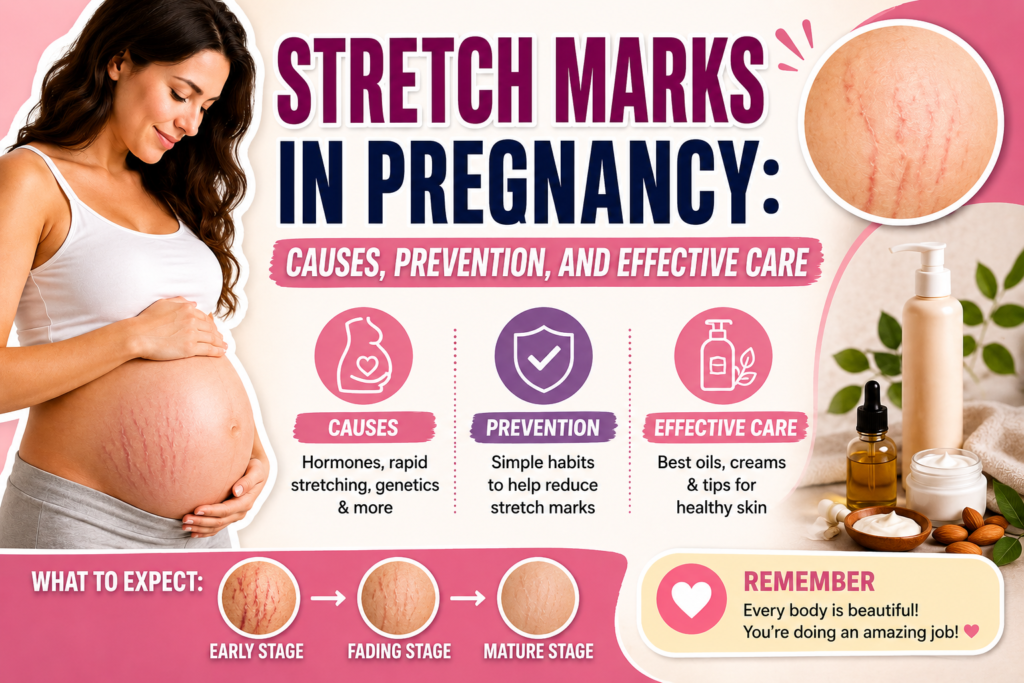
Pregnancy is a transformative journey that brings remarkable physical and emotional changes. As your baby grows, your body naturally adapts to support healthy fetal development. One of the most common skin-related changes during pregnancy is the appearance of stretch marks, medically known as striae gravidarum. While they are harmless and affect a large percentage of expectant mothers, many women seek guidance on why they develop and whether they can be prevented or treated.
Stretch marks are a normal part of pregnancy and should not be viewed as a medical concern. However, understanding their causes, risk factors, preventive measures, and available treatment options can help you care for your skin with confidence throughout your pregnancy.
What Are Stretch Marks?
Stretch marks are narrow, linear streaks that develop when the skin stretches rapidly over a relatively short period. During pregnancy, the growing uterus places continuous tension on the skin, particularly around the abdomen. This rapid expansion can cause microscopic tears in the collagen and elastin fibers within the dermis—the skin’s supportive layer.
Initially, stretch marks may appear:
- Pink
- Red
- Purple
- Brown or dark brown (depending on skin tone)
Over time, these marks gradually fade into lighter, silvery-white lines, becoming less noticeable although they rarely disappear completely.
Why Do Stretch Marks Develop During Pregnancy?
Several biological and genetic factors contribute to the formation of stretch marks during pregnancy.
1. Rapid Skin Expansion
As the baby grows, the abdominal skin stretches to accommodate the expanding uterus. This rapid stretching places stress on the skin’s connective tissue, increasing the likelihood of stretch marks.
2. Hormonal Changes
Pregnancy hormones influence the structure and elasticity of collagen fibers. Hormonal changes can make the skin more susceptible to tearing as it stretches.
3. Genetic Predisposition
Genetics plays a significant role in determining whether a woman develops stretch marks. If close family members experienced stretch marks during pregnancy, the likelihood may be higher.
4. Pregnancy Weight Gain
Healthy weight gain is essential during pregnancy, but rapid or excessive weight gain can place additional stress on the skin.
5. Age
Younger women often have firmer skin, which may be less adaptable to rapid stretching compared to more mature skin.
Common Areas Where Stretch Marks Appear
Although the abdomen is the most frequently affected area, stretch marks may also develop on:
- Breasts
- Hips
- Thighs
- Buttocks
- Lower back
- Upper arms
The severity and distribution vary from one individual to another.
When Do Stretch Marks Usually Appear?
Stretch marks most commonly develop during the:
- Second trimester
- Third trimester
Many women first notice them between the 24th and 35th week of pregnancy when fetal growth accelerates.
Risk Factors
While stretch marks can affect any pregnant woman, certain factors increase the likelihood of developing them:
- Family history of stretch marks
- First pregnancy
- Carrying twins or multiple babies
- Significant pregnancy weight gain
- Larger-than-average baby
- Younger maternal age
- Higher pre-pregnancy Body Mass Index (BMI)
Having one or more of these risk factors does not necessarily mean stretch marks will occur, but the possibility may be higher.
Can Stretch Marks Be Prevented?
Although no method can completely prevent stretch marks, maintaining healthy skin and supporting gradual body changes may reduce their severity.
Maintain Skin Hydration
Well-moisturized skin remains softer and more supple.
Pregnancy-safe moisturizers commonly include:
- Shea butter
- Cocoa butter
- Coconut oil
- Almond oil
- Hyaluronic acid-based moisturizers
Applying moisturizer twice daily may help reduce dryness and improve skin comfort.
Stay Well Hydrated
Adequate water intake supports healthy skin function and elasticity.
Pregnant women should consume sufficient fluids throughout the day, following their healthcare provider’s recommendations.
Eat a Balanced, Nutrient-Rich Diet
Proper nutrition plays an important role in maintaining healthy skin.
Vitamin C
Supports collagen production.
Sources include:
- Citrus fruits
- Kiwi
- Strawberries
- Bell peppers
Vitamin E
Helps protect skin cells from oxidative stress.
Sources include:
- Almonds
- Sunflower seeds
- Avocados
Protein
Essential for tissue repair and collagen formation.
Healthy protein sources include:
- Eggs
- Fish
- Lean poultry
- Dairy products
- Lentils and legumes
Zinc
Supports skin healing and regeneration.
Rich sources include:
- Whole grains
- Pumpkin seeds
- Beans
- Nuts
Gain Weight Gradually
Following your obstetrician’s recommendations regarding healthy pregnancy weight gain can reduce unnecessary stress on the skin.
Rapid fluctuations in weight should be avoided whenever possible.
Engage in Pregnancy-Safe Physical Activity
Regular exercise improves circulation and contributes to overall maternal health.
Suitable options include:
- Walking
- Prenatal yoga
- Swimming
- Gentle stretching
Always consult your healthcare provider before beginning or continuing any exercise program during pregnancy.
Do Stretch Mark Creams Really Work?
Numerous creams, oils, and lotions are marketed for preventing stretch marks. While these products can improve skin hydration and reduce itching associated with skin stretching, scientific evidence supporting their ability to completely prevent stretch marks remains limited.
Moisturizers may help by:
- Improving skin hydration
- Reducing dryness
- Relieving tightness
- Supporting overall skin health
However, genetics and hormonal influences remain the primary factors affecting stretch mark development.
Are Stretch Marks Harmful?
Stretch marks are considered a cosmetic concern rather than a medical condition.
They do not:
- Affect the baby’s development
- Cause pregnancy complications
- Increase the risk of infection
- Interfere with labor or delivery
Some women experience mild itching as the skin stretches, but this is generally temporary.
Treatment Options After Pregnancy
Although stretch marks become less noticeable over time, various dermatological treatments may further improve their appearance after childbirth.
Topical Retinoids
Prescription retinoid creams may stimulate collagen production and improve skin texture.
These medications must not be used during pregnancy and should only be used under medical supervision after delivery.
Laser Therapy
Laser treatments stimulate collagen remodeling and can reduce the visibility of mature stretch marks.
Several treatment sessions are usually required for optimal results.
Microneedling
Microneedling promotes natural collagen production by creating controlled micro-injuries in the skin.
It is generally recommended after pregnancy and breastfeeding, depending on individual circumstances.
Chemical Peels
Superficial chemical peels encourage skin renewal and may improve the appearance of older stretch marks.
Radiofrequency Therapy
Radiofrequency treatments stimulate collagen production beneath the skin, improving texture and elasticity.
Supporting Emotional Well-Being
Physical changes during pregnancy can sometimes affect self-confidence. It is important to remember that stretch marks are experienced by a majority of pregnant women and represent the body’s natural adaptation to nurturing new life.
Practicing self-care, maintaining realistic expectations, and focusing on overall maternal health can positively influence both physical and emotional well-being during pregnancy.
When Should You Consult a Doctor?
Although stretch marks themselves are harmless, medical evaluation is recommended if:
- Skin changes appear unusually severe or sudden.
- Stretch marks are associated with significant pain.
- Intense itching is accompanied by a widespread rash.
- You are considering cosmetic treatments after childbirth.
- You have concerns about other skin conditions developing during pregnancy.
Professional assessment helps ensure that symptoms are not related to other pregnancy-related skin disorders.
Daily Skincare Tips During Pregnancy
To support healthy skin throughout pregnancy:
- Apply a pregnancy-safe moisturizer twice daily.
- Drink adequate amounts of water.
- Follow a balanced diet rich in vitamins and protein.
- Gain weight steadily under medical supervision.
- Wear comfortable, breathable clothing.
- Avoid prolonged hot showers that can dry the skin.
- Stay physically active with pregnancy-approved exercises.
- Attend all scheduled prenatal check-ups.
Conclusion
Stretch marks are one of the most common and natural skin changes associated with pregnancy. While they cannot always be prevented, adopting healthy lifestyle habits, maintaining proper skin hydration, and following a balanced nutritional plan can help support skin elasticity and minimize their appearance. Most importantly, stretch marks are a normal part of your body’s remarkable journey in supporting the growth and development of your baby.
If you have concerns about skin changes during pregnancy or require personalized prenatal care, consulting the Best Gynecologist Obstetricians in Aligarh can provide expert guidance tailored to your individual needs. Regular antenatal care ensures that both maternal and fetal health remain the highest priority, allowing you to enjoy a safe, healthy, and well-supported pregnancy.