Importance of Breast Feeding: A Complete Guide for New Mothers

World No Tobacco Day: A Global Call for a Tobacco-Free Future
May 30, 2026
Fertility and Thyroid: Understanding the Important Connection
June 11, 2026
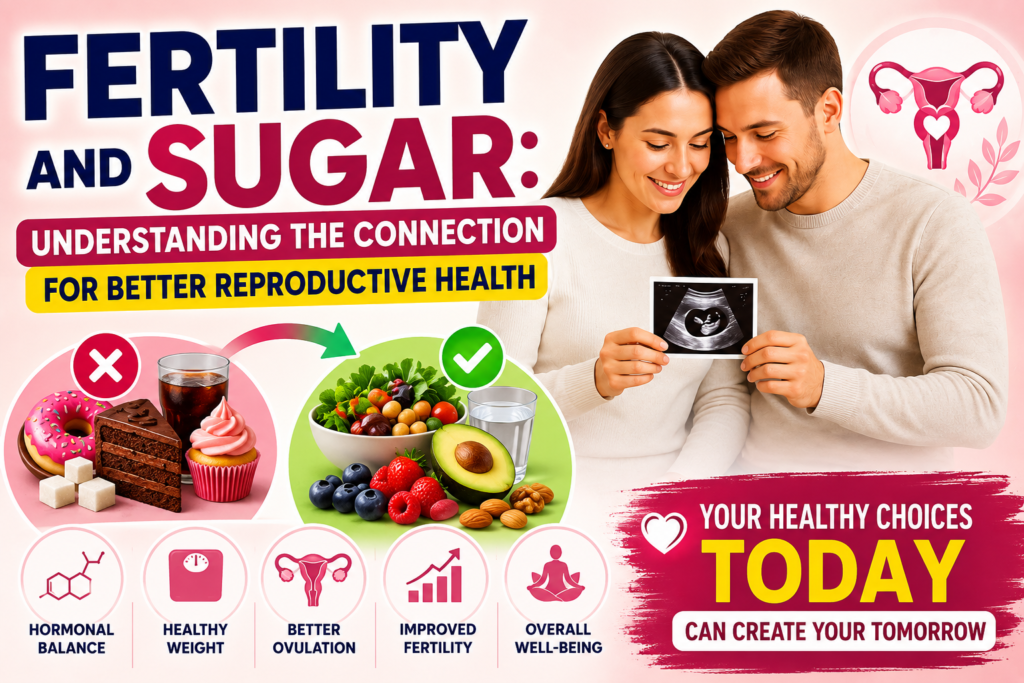
Breastfeeding is one of the most natural and beneficial ways to nourish a newborn baby. It provides essential nutrients, strengthens immunity, and creates a strong emotional bond between mother and child. Health experts around the world recommend exclusive breastfeeding for the first six months of a baby’s life, followed by continued breastfeeding along with complementary foods for up to two years or beyond.
Understanding the importance of breastfeeding can help mothers make informed decisions for their baby’s health and well-being. This article explores the numerous benefits of breastfeeding for both mother and baby and provides practical tips for a successful breastfeeding journey.
What Is Breastfeeding?
Breastfeeding is the process of feeding a baby directly from the mother’s breast. Breast milk is uniquely designed by nature to meet the nutritional needs of infants. It contains the perfect balance of proteins, fats, vitamins, minerals, and antibodies that support healthy growth and development.
The first milk produced after childbirth is called colostrum. Often referred to as “liquid gold,” colostrum is rich in nutrients and antibodies that protect newborns from infections and diseases.
Benefits of Breastfeeding for Babies
1. Provides Complete Nutrition
Breast milk contains all the nutrients a baby needs during the first six months of life. It adapts to the baby’s changing nutritional requirements, ensuring optimal growth and development.
Unlike formula milk, breast milk is easy to digest and reduces the risk of digestive problems such as constipation, diarrhea, and stomach discomfort.
2. Strengthens the Immune System
Breast milk is packed with antibodies, white blood cells, and immune-boosting compounds that help babies fight infections.
Breastfed babies are less likely to develop:
- Ear infections
- Respiratory infections
- Diarrheal diseases
- Allergies
- Asthma
- Urinary tract infections
The protective benefits of breastfeeding continue long after infancy.
3. Supports Brain Development
Research has shown that breastfed babies often have better cognitive development and higher intelligence scores later in life.
Key nutrients such as DHA (Docosahexaenoic Acid) and other essential fatty acids found in breast milk play a vital role in brain growth and neurological development.
4. Promotes Healthy Weight
Breastfeeding helps babies regulate their appetite naturally. As a result, breastfed infants have a lower risk of childhood obesity and related health issues later in life.
Breast milk also supports healthy metabolism and balanced growth patterns.
5. Reduces Risk of Chronic Diseases
Studies suggest that breastfeeding lowers the risk of several long-term health conditions, including:
- Type 1 and Type 2 diabetes
- Childhood leukemia
- Obesity
- High cholesterol
- Heart disease later in life
These long-term benefits make breastfeeding one of the most effective preventive health measures for children.
Benefits of Breastfeeding for Mothers
1. Promotes Faster Recovery After Childbirth
Breastfeeding stimulates the release of oxytocin, a hormone that helps the uterus contract and return to its pre-pregnancy size more quickly.
This process also reduces postpartum bleeding and supports faster recovery after delivery.
2. Helps with Weight Loss
Producing breast milk requires additional calories, which can help mothers gradually lose pregnancy weight.
Combined with a balanced diet and regular physical activity, breastfeeding can support healthy postpartum weight management.
3. Reduces Risk of Certain Cancers
Women who breastfeed have a lower risk of developing:
- Breast cancer
- Ovarian cancer
- Endometrial cancer
The longer a mother breastfeeds, the greater the protective benefits may be.
4. Supports Emotional Well-Being
Breastfeeding promotes the release of hormones such as oxytocin and prolactin, which encourage feelings of relaxation, bonding, and emotional connection.
These hormonal effects may also reduce the risk of postpartum depression in some mothers.
5. Economical and Convenient
Breast milk is always available, requires no preparation, and is provided at the perfect temperature.
Breastfeeding eliminates the costs associated with formula, bottles, sterilizers, and feeding accessories, making it a cost-effective option for families.
The Emotional Bond Created Through Breastfeeding
Breastfeeding is more than just nutrition. It is a powerful bonding experience between mother and baby.
Skin-to-skin contact during feeding provides comfort, security, and reassurance to the infant. This close interaction helps babies feel safe and loved while strengthening the emotional connection between mother and child.
The nurturing environment created through breastfeeding contributes positively to a baby’s emotional and psychological development.
Importance of Colostrum
Colostrum is the first milk produced during the first few days after birth. It is highly concentrated with nutrients and antibodies.
Benefits of colostrum include:
- Strengthening immunity
- Protecting against infections
- Supporting digestive health
- Promoting healthy growth
Healthcare providers strongly recommend giving colostrum to newborns and avoiding any pre-lacteal feeds unless medically advised.
Common Breastfeeding Challenges
While breastfeeding is natural, it can sometimes be challenging, especially for first-time mothers.
Common issues include:
Sore Nipples
Incorrect latching is often the primary cause. Proper positioning and latch techniques can help reduce discomfort.
Low Milk Supply Concerns
Many mothers worry about milk production. Frequent feeding, adequate hydration, and proper nutrition often help maintain a healthy milk supply.
Engorgement
Breasts may become swollen and uncomfortable when milk production increases. Regular feeding and gentle breast massage can provide relief.
Baby Refusing the Breast
Some babies may have difficulty latching initially. Patience, skin-to-skin contact, and professional guidance can help overcome this challenge.
Tips for Successful Breastfeeding
Start Early
Initiate breastfeeding within the first hour after birth whenever possible. Early feeding helps establish milk production and strengthens bonding.
Feed on Demand
Watch for hunger cues such as:
- Rooting
- Hand-to-mouth movements
- Sucking motions
- Increased alertness
Responding to these cues helps ensure adequate nutrition.
Stay Hydrated
Mothers should drink plenty of fluids throughout the day to support milk production and overall health.
Maintain a Balanced Diet
A nutritious diet rich in fruits, vegetables, proteins, whole grains, and healthy fats helps support breastfeeding and maternal recovery.
Seek Professional Support
If breastfeeding difficulties arise, consulting lactation specialists or healthcare professionals can make a significant difference.
For mothers seeking expert maternal care and guidance from the Best Gynecologist Obstetricians in Aligarh, professional support can help ensure a healthy pregnancy, safe delivery, and successful breastfeeding experience.
Myths About Breastfeeding
Myth 1: Formula Is Just as Good as Breast Milk
While formula can provide nutrition when needed, breast milk contains unique antibodies and living cells that cannot be fully replicated.
Myth 2: Small Breasts Produce Less Milk
Breast size does not determine milk production. Milk supply depends primarily on demand and proper breastfeeding practices.
Myth 3: Mothers Should Stop Breastfeeding When Sick
In most cases, breastfeeding can continue during common illnesses. Breast milk often provides antibodies that help protect the baby.
Always consult a healthcare provider for specific medical concerns.
When to Seek Medical Advice
Consult a healthcare professional if:
- The baby is not gaining weight properly.
- Feeding is consistently painful.
- There are signs of infection.
- The baby has difficulty latching.
- Milk supply concerns persist.
Early intervention can help address breastfeeding challenges and ensure both mother and baby remain healthy.
Conclusion
The importance of breastfeeding extends far beyond basic nutrition. Breast milk provides complete nourishment, strengthens immunity, supports brain development, and promotes lifelong health benefits for babies. Mothers also experience significant physical, emotional, and long-term health advantages through breastfeeding.
Every breastfeeding journey is unique, and challenges may arise along the way. With proper support, education, and encouragement, most mothers can successfully breastfeed and provide their babies with the best possible start in life. By embracing breastfeeding, mothers invest in their child’s health, growth, and future well-being while strengthening the precious bond that lasts a lifetime.