Who Should Consider IVF Treatment? A Complete Guide

Stretch Marks in Pregnancy: Causes, Prevention, and Effective Care
June 19, 2026
Step-by-Step IVF Process Explained: A Complete Guide for First-Time Patients
June 27, 2026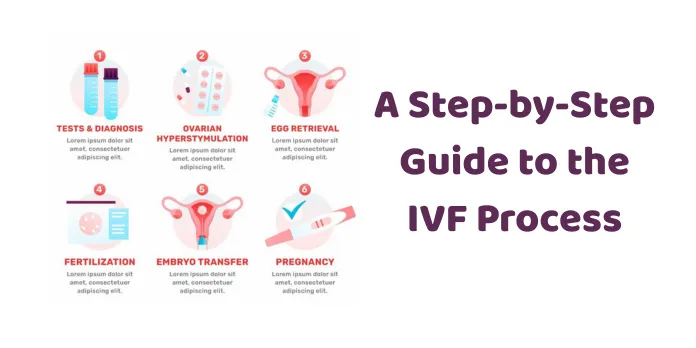
In vitro fertilization, commonly called IVF, is one of the most widely known fertility treatments available today. It has helped many individuals and couples build families when natural conception has not happened as expected. IVF is a medical process that combines eggs and sperm outside the body and then places the resulting embryo into the uterus. While it is not the right choice for everyone, it can be a valuable option in many In vitro fertilization, commonly called IVF, is one of the most widely known fertility treatments available today. It has helped many individuals and couples build families when natural conception has not happened as expected. IVF is a medical process that combines eggs and sperm outside the body and then places the resulting embryo into the uterus. If you are looking for the best IVF center in aligarh, understanding how IVF works and who can benefit from it is the first step toward making an informed decision. While IVF is not the right choice for everyone, it can be a valuable option in many different fertility situations when recommended by an experienced fertility specialist.
fertility situations.
Understanding who should consider IVF treatment can help people make informed decisions with the guidance of a fertility specialist. This complete guide explains the common reasons IVF may be recommended, what factors influence treatment, and when it may be time to seek support.

What Is IVF Treatment?
IVF is a form of assisted reproductive technology. It is usually recommended when pregnancy is difficult to achieve through other methods. The process involves several steps, including ovarian stimulation, egg retrieval, fertilization in a laboratory, embryo culture, and embryo transfer.
The treatment is carefully monitored by fertility specialists to improve the chances of success. IVF may be used on its own or along with other fertility procedures, depending on the cause of infertility and the health condition of the person or couple.
Couples Facing Infertility for a Long Time
One of the most common reasons to consider IVF treatment is long-term infertility. If a couple has been trying to conceive for a year or more without success, it may be time to consult a fertility expert. For women over the age of 35, evaluation is often recommended after six months of trying.
IVF may be suggested when simpler treatments, such as medication or timed intercourse, have not worked. It is often used when there is no clear reason for infertility or when multiple fertility factors are involved.
Some common signs that IVF may be worth considering include:
- Trying to conceive for many months without pregnancy
- Failed fertility treatments in the past
- Unexplained infertility after medical testing
- Repeated early pregnancy loss
Women with Blocked or Damaged Fallopian Tubes
Fallopian tubes play an important role in natural conception because they help the egg and sperm meet. If the tubes are blocked, damaged, or removed, natural pregnancy becomes much harder. In such cases, IVF is often one of the best options because it bypasses the fallopian tubes completely.
IVF can be especially helpful for women who have had:
- Pelvic infections
- Endometriosis-related tube damage
- Previous surgery on the reproductive organs
- Ectopic pregnancy history
- Tubal ligation reversal failure
For many women with tubal problems, IVF offers a direct path to pregnancy without relying on the tubes.
Men with Sperm-Related Fertility Problems
Male fertility issues are a major reason couples may need IVF treatment. Problems with sperm count, movement, shape, or overall quality can make it difficult for sperm to fertilize an egg naturally.
IVF may be recommended when:
- Sperm count is low
- Sperm movement is poor
- Sperm shape is abnormal
- There is a blockage affecting sperm release
- Previous fertility attempts have not succeeded
In some cases, IVF is combined with a procedure called ICSI, where a single sperm is injected directly into an egg. This can improve the chances of fertilization when sperm-related challenges are present.
Women with Ovulation Disorders
Some women do not ovulate regularly or may not ovulate at all. This can make it hard to time conception and reduce the chances of pregnancy. Conditions such as polycystic ovary syndrome, hormonal imbalance, or premature ovarian insufficiency may affect ovulation.
When ovulation problems are severe or do not respond well to medication, IVF may be considered. It allows fertility specialists to stimulate the ovaries and collect eggs at the right time, increasing the chances of fertilization and embryo development.
Couples with Genetic Concerns
Some couples carry inherited genetic conditions that may be passed on to a child. IVF can be combined with genetic testing to help reduce the risk of certain inherited disorders. This allows embryos to be screened before transfer into the uterus.
This approach may be considered by people who:
- Have a family history of genetic disease
- Carry known genetic mutations
- Have had a child affected by a hereditary condition
- Want to reduce the risk of passing on a serious inherited disorder
IVF with genetic testing can provide more control and reassurance for families dealing with these concerns.
Women with Age-Related Fertility Decline
A woman’s fertility naturally declines with age, especially after the mid-30s. Both the number and quality of eggs may decrease over time, making it harder to conceive. IVF may be considered when age becomes a major factor in fertility planning.
Women who are trying to conceive later in life may benefit from IVF because it can help maximize the chances of pregnancy within a shorter time frame. In some cases, fertility specialists may also discuss options such as egg freezing or donor eggs.
Couples Using Donor Eggs, Donor Sperm, or Surrogacy
IVF is also helpful for people who need donor-assisted reproduction. This may apply to couples or individuals who cannot use their own eggs or sperm due to medical, genetic, or fertility reasons.
IVF can be used when:
- Eggs are no longer viable
- Sperm is absent or unusable
- There is a need for a gestational carrier
- Same-sex couples want to build a family
- A single parent wants to conceive with donor assistance
This makes IVF a flexible treatment option for many different family-building situations.
When Repeated Pregnancy Loss Has Occurred
Experiencing multiple miscarriages can be emotionally and physically difficult. In some cases, repeated pregnancy loss is linked to fertility problems, genetic issues, or uterine conditions. IVF may be recommended if further evaluation shows that assisted reproduction could improve the chance of a healthy pregnancy.
A fertility specialist may suggest IVF along with additional testing to better understand why pregnancy loss has occurred. This can help guide treatment more effectively.
People Planning Fertility Preservation
Some individuals choose to preserve their fertility before medical treatment or later life family planning. IVF procedures are often involved in fertility preservation, especially when eggs or embryos are frozen for future use.
This may be suitable for people who are:
- Facing cancer treatment
- Undergoing surgery that may affect fertility
- Delaying parenthood for personal or professional reasons
- Wanting to preserve reproductive options for the future
In these situations, IVF can play an important role in protecting future fertility choices.
Factors to Consider Before Choosing IVF
IVF is not a decision to make lightly. It involves emotional, physical, and financial commitment. Before starting treatment, it is important to discuss the following with a fertility specialist:
- Age and ovarian reserve
- Medical history
- Cause of infertility
- Previous pregnancy or treatment history
- Treatment success rates
- Cost and time involved
- Emotional readiness
Every fertility journey is different, and the best treatment depends on the individual situation. Sometimes IVF is the first choice, while in other cases it is recommended only after other treatments have been tried.

Conclusion
IVF treatment should be considered by people and couples who face infertility, blocked tubes, sperm issues, ovulation disorders, genetic concerns, age-related fertility decline, or repeated pregnancy loss. It is also a valuable option for those using donor eggs, donor sperm, or fertility preservation plans. If you are searching for a trusted test tube baby center in aligarh, consulting an experienced fertility specialist can help determine whether IVF is the right treatment based on your individual medical condition and family planning goals.
A complete fertility evaluation can help determine whether IVF is the right next step. With proper medical guidance, clear expectations, and the right support, IVF can offer hope to many people who are trying to build a family.