Understanding the IVF Process: Step-by-Step Guide to Fertility Treatment

How Long Does One IVF Cycle Take? A Complete Timeline Guide
July 28, 2026
Severe Menstrual Pain: Causes, Symptoms & Effective Relief
August 5, 2026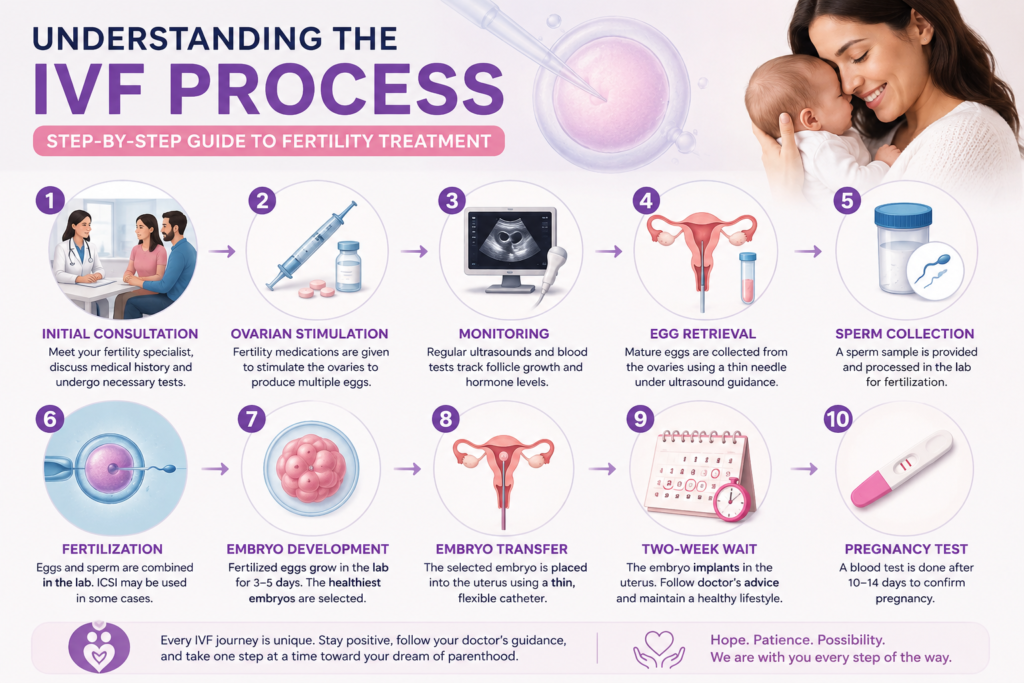
Infertility is a challenge that affects many individuals and couples around the world. While the journey to parenthood may not always be straightforward, modern fertility treatments have made it possible for many families to achieve their dream of having a child. If you are seeking treatment at the best ivf center in aligarh, understanding the IVF process can help you make informed decisions about your fertility journey. One of the most effective and widely used fertility treatments is In Vitro Fertilization (IVF).
Understanding the IVF process can help reduce anxiety and prepare you for each stage of treatment. This guide explains the IVF journey step by step, from the initial consultation to pregnancy testing, so you know what to expect throughout the process.
READ MORE : How Long Does One IVF Cycle Take? A Complete Timeline Guide
What is IVF?
In Vitro Fertilization (IVF) is an assisted reproductive technology (ART) in which an egg is fertilized by sperm outside the body in a controlled laboratory environment. Once fertilization occurs and healthy embryos develop, one or more embryos are transferred into the uterus with the goal of achieving pregnancy.
IVF is recommended for various fertility concerns, including blocked fallopian tubes, ovulation disorders, male infertility, unexplained infertility, endometriosis, and age-related fertility decline.
Who May Benefit from IVF?
IVF can be a suitable option for individuals and couples who have experienced difficulty conceiving naturally or through other fertility treatments. It may be recommended if:
- Fallopian tubes are blocked or damaged.
- Ovulation problems prevent regular egg release.
- Male infertility affects sperm count or quality.
- Endometriosis impacts fertility.
- Previous fertility treatments have not been successful.
- There is unexplained infertility.
- Fertility preservation is required before certain medical treatments.
A fertility specialist evaluates your medical history, test results, and overall health before determining whether IVF is the most appropriate treatment.
Step 1: Initial Fertility Consultation
The IVF journey begins with a detailed consultation with a fertility specialist. During this visit, both partners undergo a comprehensive evaluation.
The doctor may recommend:
- Blood tests to check hormone levels
- Ultrasound examination of the ovaries and uterus
- Semen analysis
- Medical and reproductive history review
- Lifestyle assessment
These evaluations help identify the underlying cause of infertility and allow the specialist to create a personalized IVF treatment plan.
Step 2: Ovarian Stimulation
Normally, a woman releases one egg during each menstrual cycle. During IVF, fertility medications are used to stimulate the ovaries so that multiple eggs mature simultaneously.
Hormonal injections are usually given for approximately 8 to 14 days. Throughout this period, the fertility specialist closely monitors the ovaries using ultrasound scans and blood tests.
The purpose of ovarian stimulation is to obtain multiple mature eggs, increasing the chances of producing healthy embryos.
Step 3: Monitoring Follicle Development
Regular monitoring is an essential part of IVF treatment.
Ultrasound examinations allow the doctor to measure follicle growth, while blood tests monitor hormone levels. These assessments help determine when the eggs have reached optimal maturity.
Once the follicles are ready, a special “trigger injection” is administered to complete the final stage of egg maturation before retrieval.
Timing is extremely important, as egg collection is usually scheduled approximately 34–36 hours after the trigger injection.
Step 4: Egg Retrieval Procedure
Egg retrieval is a minimally invasive procedure performed under light sedation or anaesthesia.
Using ultrasound guidance, the fertility specialist inserts a thin needle through the vaginal wall to collect mature eggs from the ovarian follicles.
The procedure generally takes around 20 to 30 minutes, and most patients return home on the same day after a short recovery period.
Some mild cramping or discomfort may occur after egg retrieval, but it usually resolves within a day or two.
Step 5: Sperm Collection
On the same day as egg retrieval, a sperm sample is collected from the male partner or from previously frozen sperm if required.
The laboratory processes the sample to identify the healthiest and most active sperm for fertilization.
In cases of severe male infertility, advanced techniques may be used to improve fertilization success.
Step 6: Fertilization in the Laboratory
The collected eggs and selected sperm are combined in a highly controlled laboratory environment.
There are two common methods of fertilization:
Conventional IVF
Healthy sperm are placed with the eggs, allowing fertilization to occur naturally.
Intracytoplasmic Sperm Injection (ICSI)
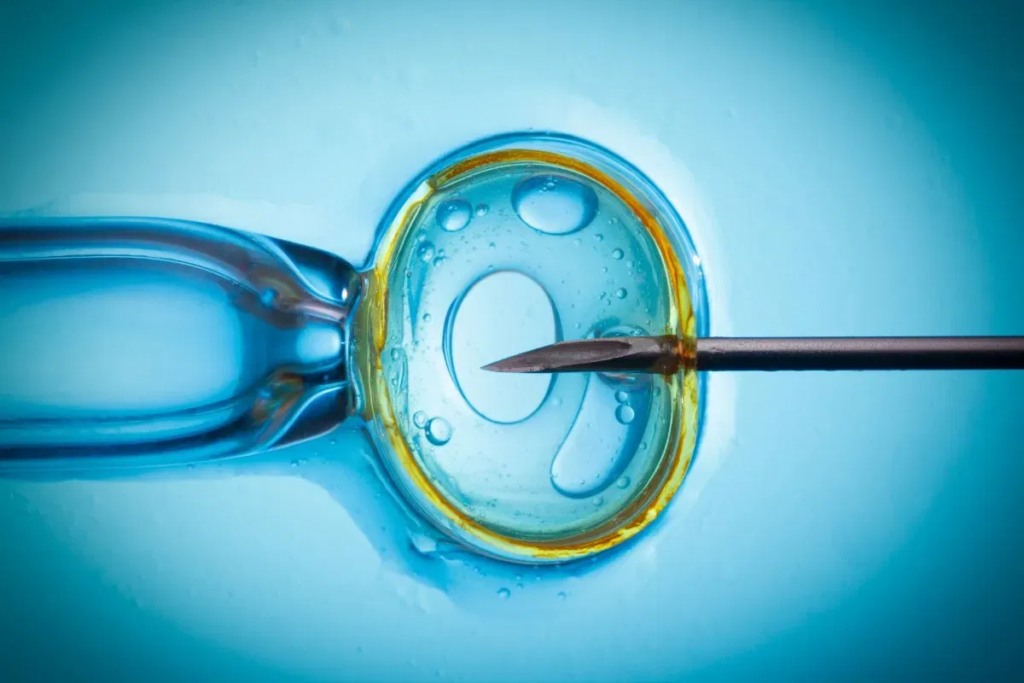
A single healthy sperm is directly injected into an individual egg. ICSI is commonly used when male infertility factors are present or when previous fertilization attempts have been unsuccessful.
After fertilization, embryologists carefully monitor embryo development over several days.
Step 7: Embryo Development
Successfully fertilized eggs begin dividing and developing into embryos.
Embryologists observe:
- Cell division
- Embryo growth
- Overall embryo quality
The healthiest embryos are selected for transfer.
In some cases, additional healthy embryos may be frozen for future IVF cycles, reducing the need for repeated ovarian stimulation if another pregnancy is desired later.
Step 8: Embryo Transfer
Embryo transfer is one of the most important stages of IVF.
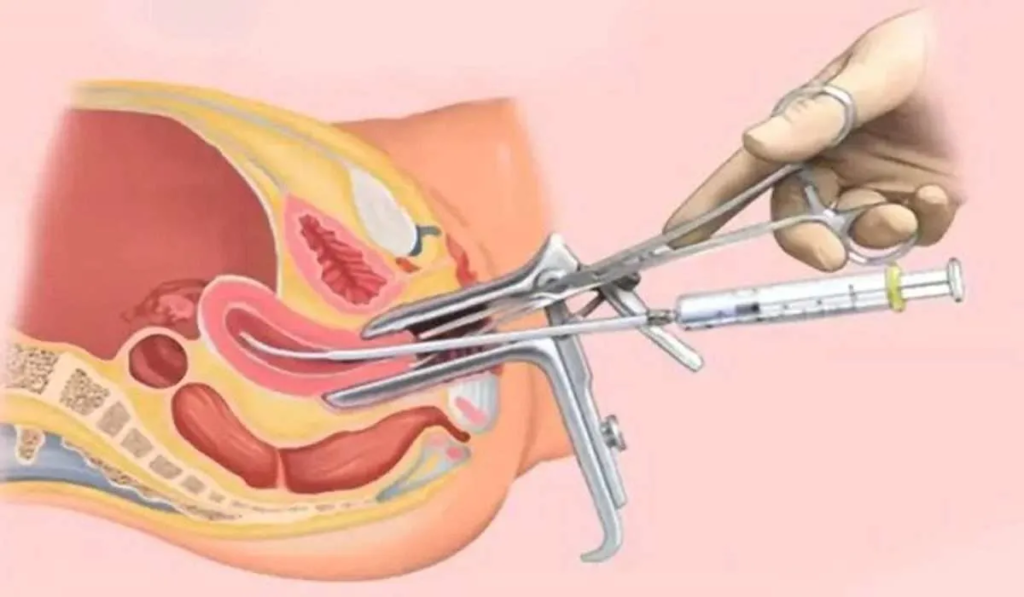
A carefully selected embryo is placed into the uterus using a thin, flexible catheter inserted through the cervix. This procedure is generally painless and does not require anaesthesia.
Most patients can resume normal daily activities shortly after the embryo transfer, although strenuous physical activity may be avoided for a few days based on the doctor’s advice.
Step 9: The Two-Week Wait
Following embryo transfer comes the emotional period often referred to as the “two-week wait.”
During this time, the embryo may implant into the uterine lining if the treatment is successful.
Patients are usually advised to:
- Continue prescribed medications
- Maintain a balanced diet
- Stay hydrated
- Avoid smoking and alcohol
- Manage stress with gentle relaxation techniques
- Follow medical advice regarding physical activity
It is important not to perform a pregnancy test too early, as this may produce inaccurate results.
Step 10: Pregnancy Test
Approximately 10 to 14 days after embryo transfer, a blood test is performed to measure pregnancy hormone (hCG) levels.
If the result is positive, additional blood tests and ultrasound examinations are scheduled to monitor early pregnancy development.
If pregnancy has not occurred, the fertility specialist reviews the treatment cycle and discusses future options, including the possibility of another IVF attempt or using frozen embryos.
Preparing for IVF Success
Although no fertility treatment can guarantee pregnancy, healthy lifestyle choices may support the IVF process.
Helpful recommendations include:
- Eat a nutritious, balanced diet.
- Maintain a healthy body weight.
- Exercise moderately.
- Get adequate sleep.
- Reduce stress where possible.
- Limit caffeine intake.
- Avoid tobacco, recreational drugs, and excessive alcohol.
- Take prescribed supplements exactly as directed.
These habits contribute to overall reproductive health and may improve treatment readiness.
Emotional Support During IVF
IVF can be emotionally demanding as well as physically challenging. Feelings of hope, anxiety, excitement, and disappointment may all occur during the treatment journey.
Open communication with your partner, support from family and friends, counselling, or joining fertility support groups can make the experience easier to manage.
Remember that every IVF journey is unique. Some individuals achieve pregnancy in their first cycle, while others may require additional treatment.
Risks of IVF
Like any medical procedure, IVF carries some potential risks, including:
- Mild side effects from fertility medications
- Ovarian Hyperstimulation Syndrome (OHSS)
- Multiple pregnancy if more than one embryo is transferred
- Ectopic pregnancy (rare)
- Procedure-related complications during egg retrieval (uncommon)
Careful monitoring by an experienced fertility team helps minimise these risks and ensures patient safety throughout treatment.

Conclusion
Understanding the IVF process can make fertility treatment feel less overwhelming and help you approach each stage with greater confidence. From the initial consultation and ovarian stimulation to embryo transfer and pregnancy testing, every step is carefully planned to maximise the chances of a successful outcome.
Although IVF requires patience, commitment, and emotional strength, it has brought hope to millions of individuals and couples facing infertility. Choosing the best ivf center in aligarh and consulting the best gynecologist obstetricians in aligarh can provide expert guidance and personalised care throughout every stage of the fertility journey. Working closely with a qualified fertility specialist, following medical guidance, and maintaining a healthy lifestyle can help you navigate the IVF journey with confidence and optimism. Every fertility journey is different, but with the right support and a personalised treatment plan, IVF offers a meaningful path toward achieving the dream of parenthood.