Step-by-Step IVF Process Explained: A Complete Guide for First-Time Patients

Who Should Consider IVF Treatment? A Complete Guide
June 26, 2026
IVF Treatment Explained: Step-by-Step Process and Expectations
July 1, 2026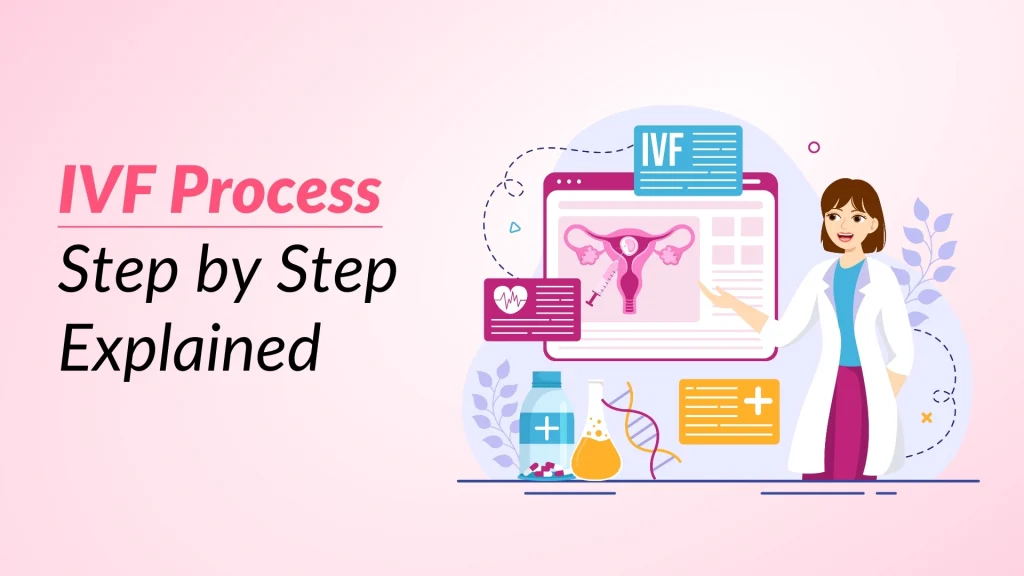
In vitro fertilization, commonly known as IVF, is one of the most widely used fertility treatments in the world. It helps individuals and couples who are struggling to conceive naturally. For first-time patients, the process may feel overwhelming at first, but understanding each stage can make the journey easier and less stressful. IVF is a carefully planned medical procedure that involves several steps, from initial consultation to pregnancy testing. Choosing the best IVF center in aligarh ensures access to experienced fertility specialists, advanced technology, personalized treatment plans, and compassionate care throughout every stage of the IVF journey
This complete guide explains the IVF process step by step so that first-time patients can feel more informed, prepared, and confident.
What IVF Means
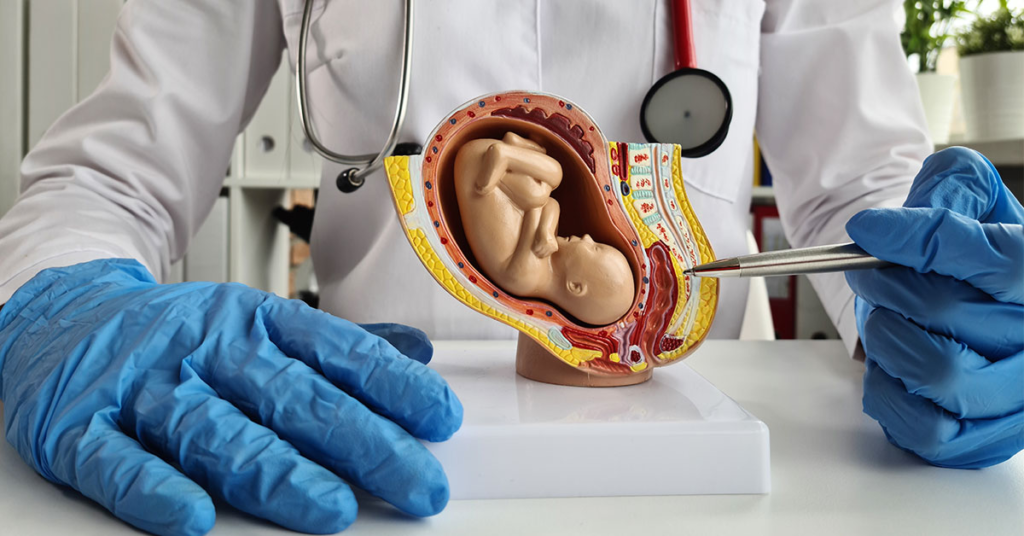
IVF stands for in vitro fertilization. It is a treatment in which eggs are collected from the ovaries and fertilized with sperm outside the body in a laboratory. After fertilization, one or more healthy embryos are transferred into the uterus with the hope of achieving pregnancy.
IVF is often recommended for people facing fertility challenges such as blocked fallopian tubes, low sperm count, ovulation problems, unexplained infertility, or age-related fertility decline. It can also be used in cases where other fertility treatments have not worked.
Initial Consultation and Fertility Evaluation
The first step in the IVF journey is a consultation with a fertility specialist. During this appointment, the doctor reviews the patient’s medical history, menstrual cycle, previous pregnancies, and any fertility issues that may be present.
Several tests are usually recommended before starting treatment. These may include:
- Hormone blood tests
- Ultrasound scans
- Semen analysis
- Uterine and ovarian evaluation
- Tests for infections or other health conditions
These tests help the doctor understand the cause of infertility and create a treatment plan that fits the patient’s needs. For first-time patients, this stage is important because it sets the foundation for the rest of the IVF process.
Ovarian Stimulation
After the evaluation, the next step is ovarian stimulation. In a natural cycle, the body usually releases one egg each month. In IVF, medicines are used to encourage the ovaries to produce multiple eggs at the same time.
This step usually involves hormone injections taken for several days. The fertility team monitors the ovaries closely through ultrasound and blood tests to track how the follicles are developing.
The goal of ovarian stimulation is to retrieve several mature eggs rather than just one. This improves the chances of creating healthy embryos.
Monitoring the Response
During ovarian stimulation, patients return to the clinic for regular checkups. These visits help the doctor see how the ovaries are responding to the medications. Blood tests measure hormone levels, and ultrasound scans show the size and number of developing follicles.
This monitoring is very important because it helps the medical team decide the best time for egg retrieval. If the response is too weak or too strong, the treatment plan may be adjusted to keep the process safe and effective.

Egg Retrieval
Once the eggs are ready, the doctor schedules egg retrieval. This is a minor procedure done under sedation or light anesthesia, so the patient does not feel pain during the process.
Using ultrasound guidance, a thin needle is inserted through the vaginal wall to collect eggs from the ovaries. The procedure usually takes a short time, and most patients go home the same day.
After egg retrieval, some mild discomfort, bloating, or cramping may occur, but these symptoms usually improve within a day or two.
Sperm Collection and Preparation
On the same day as egg retrieval, a sperm sample is collected from the male partner or a donor. The sperm is then prepared in the laboratory so that the healthiest and most active sperm can be used for fertilization.
In some cases, especially when sperm count or quality is low, a technique called intracytoplasmic sperm injection, or ICSI, may be used. In this method, a single sperm is injected directly into each mature egg.
Fertilization in the Laboratory
After the eggs and sperm are prepared, fertilization takes place in the lab. The eggs are placed together with sperm in a special culture dish, or in some cases, ICSI is used to assist fertilization.
The fertilized eggs are then carefully observed over the next few days. Not every egg will fertilize successfully, and not every fertilized egg will develop into a healthy embryo. However, the laboratory team monitors each embryo closely to identify the strongest ones.
This stage is one of the most important parts of IVF because it determines which embryos may be suitable for transfer.
Embryo Development and Selection
The fertilized eggs begin to divide and grow into embryos. Over the next three to five days, the embryos are watched for quality, growth pattern, and cell development.
At this stage, the fertility specialist selects the best embryo or embryos for transfer. In some cases, embryos may also be frozen for future use. Freezing can be helpful if the patient wants to try another cycle later or if the doctor recommends delaying transfer for medical reasons.
Embryo Transfer
Embryo transfer is a simple and usually painless procedure. A thin catheter is used to place the selected embryo into the uterus. No anesthesia is usually needed.
The number of embryos transferred depends on the patient’s age, health condition, embryo quality, and the doctor’s recommendation. The goal is to place the embryo in the best possible position for implantation.
After the transfer, patients may be advised to rest briefly and continue with medications that support the uterine lining and early pregnancy.
The Two-Week Wait
After embryo transfer comes the waiting period before pregnancy testing. This is often called the two-week wait. It can be an emotionally difficult time for first-time patients because the result is still unknown.
During this period, the embryo may implant into the uterus and begin pregnancy. The doctor may prescribe medications such as progesterone to support this process.
Patients are usually advised to:
- Take medications exactly as prescribed
- Avoid heavy physical strain
- Stay hydrated and eat balanced meals
- Follow clinic instructions carefully
- Try to remain calm and positive
Pregnancy Test and Follow-Up
About 10 to 14 days after embryo transfer, a blood test is done to check for pregnancy. This test measures the hormone hCG, which is produced if implantation has occurred.
If the test is positive, the clinic will schedule follow-up visits and an ultrasound to confirm the pregnancy. If the test is negative, the doctor will discuss the possible reasons and recommend the next steps, which may include another IVF cycle or further evaluation.
Emotional Support During IVF
IVF can be emotionally demanding, especially for first-time patients. It involves hope, uncertainty, waiting, and many medical appointments. Emotional support from a partner, family member, counselor, or support group can make the experience easier.
It is important to remember that IVF is a journey, and results may vary from person to person. Some people succeed in the first cycle, while others may need more than one attempt.

Final Thoughts
The IVF process may seem complex at first, but each step has a clear purpose. From the first consultation to the pregnancy test, every stage is designed to improve the chances of conception in a safe and controlled way. For first-time patients, learning about the process can reduce fear and create a sense of confidence. Choosing a trusted test tube baby center in aligarh can further improve the treatment experience by providing expert fertility specialists, advanced reproductive technology, and personalized care throughout the IVF journey. With the right medical guidance, emotional support, and patience, IVF can be a hopeful path for individuals and couples looking to achieve their dream of parenthood.
With the right medical guidance, emotional support, and patience, IVF can be a hopeful path for those trying to build a family. Understanding the step-by-step IVF process helps patients feel more prepared and informed as they begin this important journey.