Common IVF Mistakes Couples Should Avoid

Is IVF Safe? A Complete Guide for Couples
April 28, 2026
Importance of Yoga in Pregnancy for a Healthy Journey
May 14, 2026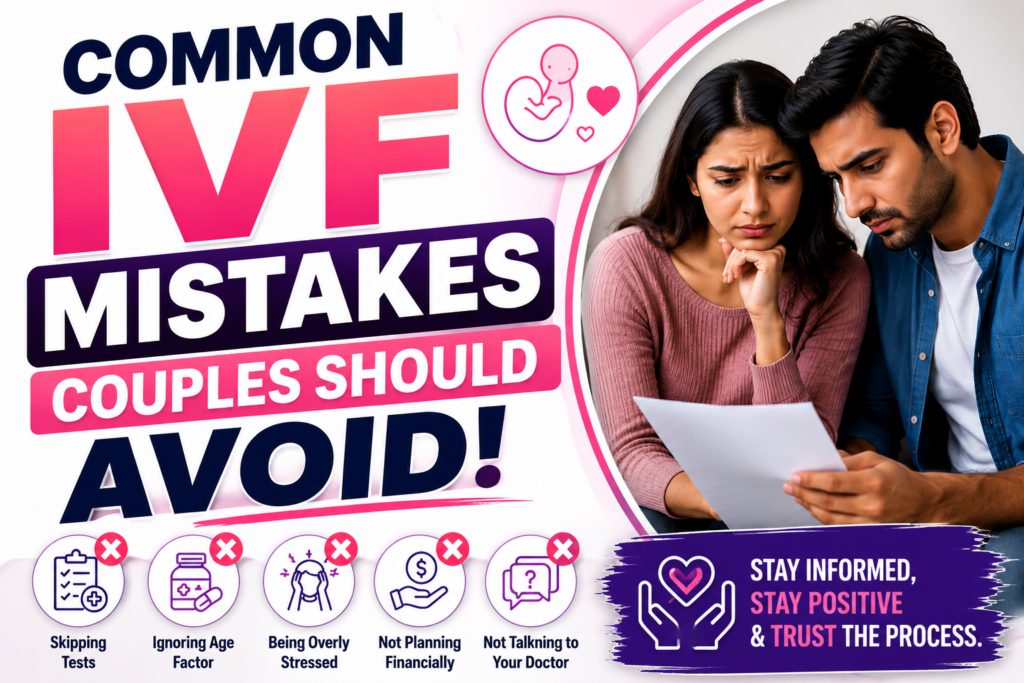
In recent years, In Vitro Fertilization (IVF) has become a beacon of hope for couples struggling with infertility. While IVF offers advanced medical solutions and high success rates, many couples unknowingly make mistakes that can reduce their chances of success. Understanding these common pitfalls can help you prepare better, stay informed, and improve your IVF journey outcomes.
This comprehensive guide highlights the most common IVF mistakes couples should avoid and provides practical tips to increase the likelihood of a successful pregnancy.
1. Delaying Treatment for Too Long
One of the biggest mistakes couples make is postponing fertility treatment. Many people assume that they have plenty of time, especially with advancements in medical science. However, fertility—particularly in women—declines with age.
After the age of 35, egg quality and quantity decrease significantly. Delaying IVF treatment can lead to lower success rates and may require more cycles to achieve pregnancy. If you’ve been trying to conceive for over a year (or six months if over 35), it’s advisable to consult a fertility specialist without delay.
2. Choosing the Wrong Fertility Clinic
Selecting the right clinic plays a crucial role in IVF success. Many couples make the mistake of choosing a clinic based solely on cost or proximity rather than expertise, success rates, and patient care.
Always research thoroughly. Look for:
- Clinic success rates
- Doctor’s experience
- Advanced technology and lab facilities
- Patient reviews and testimonials
Choosing the Best IVF Center in Aligarh or your preferred location can make a significant difference in your treatment experience and outcomes.
3. Ignoring Lifestyle Factors
Lifestyle plays a major role in fertility. Couples often underestimate how daily habits impact IVF success. Factors like smoking, alcohol consumption, poor diet, lack of exercise, and stress can negatively affect both sperm and egg quality.
What to do:
- Maintain a balanced, nutrient-rich diet
- Avoid smoking and alcohol
- Exercise moderately
- Get adequate sleep
- Manage stress effectively
Healthy lifestyle changes can improve overall reproductive health and increase IVF success rates.
4. Not Following Doctor’s Instructions Properly
IVF treatment involves a strict schedule of medications, injections, and procedures. Missing doses, taking incorrect medications, or not following medical advice can compromise the entire cycle.
Some common mistakes include:
- Skipping hormone injections
- Incorrect timing of medications
- Not attending scheduled appointments
It’s essential to follow your doctor’s instructions precisely. Keep reminders, maintain a calendar, and communicate openly with your medical team.
5. Having Unrealistic Expectations
Many couples believe IVF guarantees pregnancy in the first attempt. While IVF has good success rates, it is not 100% guaranteed. Success depends on several factors such as age, medical history, and underlying fertility issues.
Being emotionally prepared for multiple cycles can help reduce disappointment and stress. It’s important to stay positive while also being realistic about the process.
6. Ignoring Male Fertility Issues
Infertility is not just a female issue. In nearly 40–50% of cases, male factors contribute to infertility. However, many couples focus only on the female partner and overlook male fertility testing.
Common male fertility issues include:
- Low sperm count
- Poor sperm motility
- Abnormal sperm shape
Both partners should undergo proper evaluation before starting IVF. Addressing male fertility problems early can significantly improve success rates.
7. Stress and Emotional Pressure
IVF can be emotionally draining. The pressure to succeed, combined with hormonal changes, can lead to anxiety, depression, and stress. Unfortunately, high stress levels can negatively affect fertility.
Tips to manage stress:
- Practice yoga or meditation
- Seek counseling or therapy
- Join support groups
- Communicate openly with your partner
Emotional well-being is just as important as physical health during IVF treatment.
8. Not Asking Enough Questions
Many couples hesitate to ask questions or fully understand the IVF process. Lack of knowledge can lead to confusion, anxiety, and poor decision-making.
Don’t be afraid to ask your doctor about:
- Treatment steps
- Risks and side effects
- Success rates
- Costs and timelines
Being informed empowers you to make better decisions and feel more confident throughout your journey.
9. Poor Financial Planning
IVF treatment can be expensive, and many couples underestimate the total cost. Expenses may include:
- Consultation fees
- Medications
- Lab tests
- Multiple IVF cycles
Not planning finances properly can lead to stress and treatment interruptions. It’s important to:
- Understand the complete cost structure
- Explore financing options or insurance coverage
- Plan for multiple cycles if needed
Financial preparedness ensures a smoother treatment experience.
10. Skipping Pre-IVF Testing
Pre-IVF tests help identify underlying health issues that may affect treatment success. Skipping these tests can result in failed cycles or complications.
Important tests include:
- Hormone level testing
- Ultrasound scans
- Genetic screening
- Semen analysis
Proper diagnosis allows doctors to customize the treatment plan, increasing the chances of success.
11. Not Maintaining a Healthy Weight
Being overweight or underweight can affect hormone levels and reduce IVF success rates. Obesity, in particular, is linked to poor egg quality and lower implantation rates.
Maintaining a healthy BMI through diet and exercise can improve fertility and enhance IVF outcomes.
12. Overlooking the Importance of Rest After Embryo Transfer
After embryo transfer, many couples either become overly active or extremely anxious. While complete bed rest is not always necessary, excessive physical activity should be avoided.
Follow your doctor’s advice regarding rest and activity levels. Staying calm and relaxed during this period is crucial.
13. Relying on Myths and Misinformation
There are many myths surrounding IVF, such as:
- IVF always leads to twins
- IVF babies are unhealthy
- Natural remedies can replace IVF
Believing in such myths can lead to confusion and poor decisions. Always rely on medical advice and scientific facts.
14. Lack of Partner Support
IVF is a shared journey. Lack of emotional or physical support from one partner can increase stress and strain the relationship.
Both partners should:
- Stay involved in the process
- Attend appointments together
- Support each other emotionally
Strong communication and teamwork can make the IVF journey smoother and more positive.
Conclusion
IVF is a powerful and effective fertility treatment, but success depends on careful planning, informed decisions, and avoiding common mistakes. From choosing the right clinic to maintaining a healthy lifestyle and managing stress, every step matters.
By being proactive, following medical guidance, and staying emotionally strong, couples can significantly improve their chances of success. Remember, IVF is not just a medical process—it’s a journey that requires patience, resilience, and hope.