Importance of Yoga in Pregnancy for a Healthy Journey

Common IVF Mistakes Couples Should Avoid
May 6, 2026
Role of Iron in Pregnancy: Why It Matters for Mother and Baby
May 20, 2026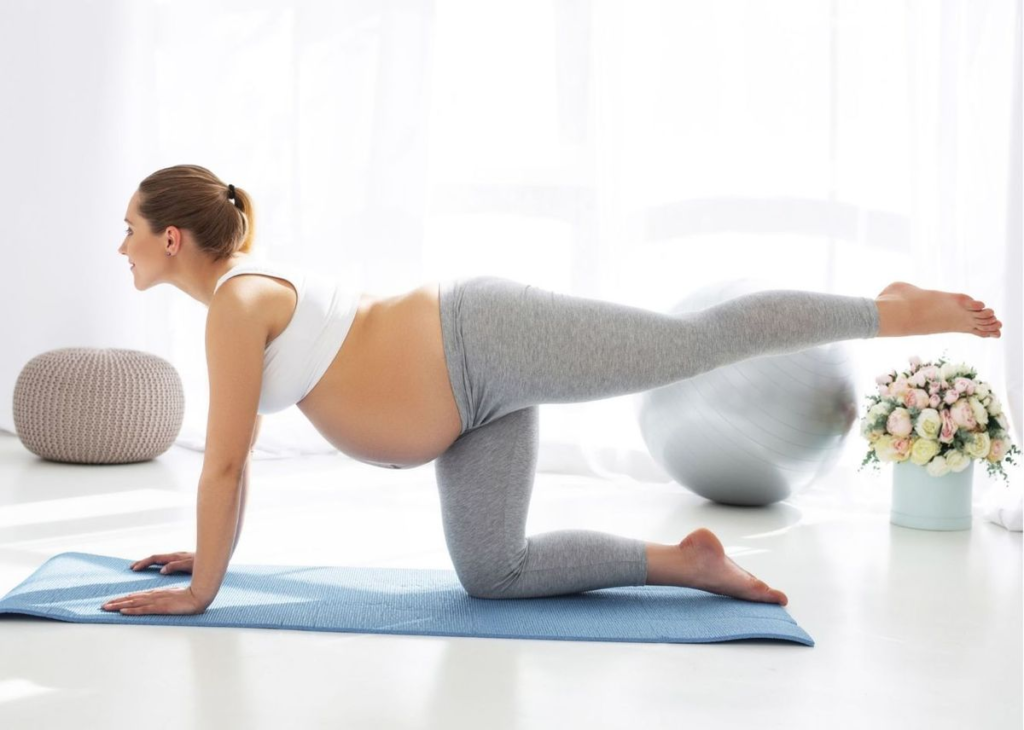
Pregnancy is one of the most beautiful phases in a woman’s life, but it also brings many physical and emotional changes. From mood swings and back pain to stress and tiredness, every mother experiences different challenges during these nine months. Yoga is considered one of the safest and most effective ways to maintain physical fitness and mental peace during pregnancy. Practicing yoga regularly helps mothers stay active, relaxed, and prepared for childbirth naturally.
Unlike intense workouts, prenatal yoga focuses on gentle stretching, controlled breathing, and relaxation techniques that support both the mother and the baby. Doctors and fitness experts often recommend yoga as part of a healthy pregnancy routine because it improves flexibility, boosts blood circulation, and reduces anxiety. With proper guidance and safe poses, yoga can make pregnancy smoother and more comfortable.
Physical Benefits of Yoga During Pregnancy
One of the biggest advantages of yoga in pregnancy is improved physical strength. As the baby grows, women often experience back pain, swollen legs, and muscle stiffness. Yoga helps strengthen the muscles around the spine, hips, and pelvis, which supports the growing belly and reduces discomfort.
Prenatal yoga also improves posture. Many pregnant women unknowingly put pressure on their lower back due to weight gain and body changes. Yoga stretches and poses help maintain balance and reduce strain on joints and muscles.
Another important benefit is flexibility. During labor, flexible muscles and joints help the body adapt better to childbirth. Yoga prepares the pelvic muscles and improves body coordination, which may contribute to smoother delivery experiences.
Yoga Helps Reduce Stress and Anxiety
Pregnancy can sometimes feel emotionally overwhelming. Hormonal changes often cause mood swings, stress, and anxiety. Yoga encourages mindfulness and deep breathing, helping mothers stay calm and positive.
Meditation and breathing exercises included in yoga sessions relax the nervous system and lower stress hormones. When the mother feels peaceful, the baby also benefits from a healthier emotional environment. Many women who practice yoga during pregnancy report improved sleep quality and reduced feelings of depression or fear.
Breathing techniques learned during yoga are especially useful during labor. Controlled breathing helps women manage pain naturally and stay focused during contractions.
Better Blood Circulation and Energy Levels
Fatigue is common during pregnancy, especially in the first and third trimesters. Yoga improves blood circulation throughout the body, ensuring better oxygen supply for both mother and baby. Improved circulation also helps reduce swelling in the feet and hands.
Gentle yoga poses stimulate the body and increase energy levels without causing exhaustion. Women who practice yoga regularly often feel more refreshed and active compared to those with a sedentary lifestyle.
Supports Healthy Weight Management
Maintaining a healthy weight during pregnancy is important for both mother and child. Yoga helps keep the body active without excessive strain. Combined with a nutritious diet and proper medical care, yoga supports healthy weight gain during pregnancy.
Regular yoga practice can also help improve digestion and reduce common pregnancy issues such as constipation and bloating. Certain poses gently massage internal organs and promote better metabolism.
Improves Sleep Quality
Sleep problems are very common during pregnancy. Many women struggle with insomnia, body pain, or frequent waking during the night. Yoga relaxes the body and mind, making it easier to sleep peacefully.
Relaxation poses and breathing exercises calm the muscles and reduce tension. Even practicing yoga for 20–30 minutes daily can significantly improve sleep quality and overall comfort.
Strengthens the Bond Between Mother and Baby
Yoga encourages mothers to connect with their bodies and their growing baby. Quiet meditation and mindful breathing create emotional awareness and strengthen the bond between mother and child.
This emotional connection can positively impact maternal confidence and mental well-being. Many prenatal yoga sessions also focus on positive affirmations and emotional preparation for motherhood.
Safe Yoga Practices During Pregnancy
Although yoga is beneficial, it is important to practice it safely. Pregnant women should always consult their doctor before starting any exercise routine. Beginners should practice under the supervision of a certified prenatal yoga instructor.
Some important safety tips include:
- Avoid difficult or advanced poses
- Do not lie flat on the back for long periods after the first trimester
- Stay hydrated during sessions
- Avoid overheating the body
- Listen to your body and avoid overexertion
Gentle poses like Cat-Cow Stretch, Butterfly Pose, Child’s Pose, and Pelvic Tilts are commonly recommended during pregnancy.
Importance of Medical Guidance Along With Yoga
Yoga is highly beneficial, but it should not replace professional medical care. Regular prenatal checkups are essential for monitoring the health of both mother and baby. Women experiencing high-risk pregnancies or complications should follow their doctor’s advice before practicing yoga.
Consulting experienced healthcare professionals ensures that pregnancy remains safe and healthy throughout all stages. Many women also seek guidance from the Best IVF Center in Aligarh for fertility support and pregnancy care. Expert medical supervision combined with healthy habits like yoga can improve overall maternal wellness.
Similarly, getting advice from the Best Gynecologist Obstetricians in Aligarh can help expecting mothers understand which yoga practices are safe according to their individual health conditions.
Best Time to Practice Prenatal Yoga
The second trimester is generally considered the safest and most comfortable time to begin prenatal yoga. During this period, nausea and fatigue are usually reduced, and the body adjusts better to physical activity.
However, light breathing and relaxation exercises may also be practiced in the first trimester with medical approval. In the third trimester, yoga focuses more on relaxation, breathing control, and preparing the body for labor.
Consistency matters more than intensity. Practicing yoga for a short duration regularly provides better results than occasional long sessions.
Final Thoughts
Yoga during pregnancy offers numerous physical, mental, and emotional benefits. It helps mothers stay active, reduces stress, improves flexibility, and prepares the body for childbirth naturally. With proper guidance and medical supervision, prenatal yoga can become an important part of a healthy pregnancy journey.
Every pregnancy is unique, so women should always prioritize comfort and safety while practicing yoga. Combining yoga with balanced nutrition, regular health checkups, and positive thinking creates a strong foundation for both mother and baby.