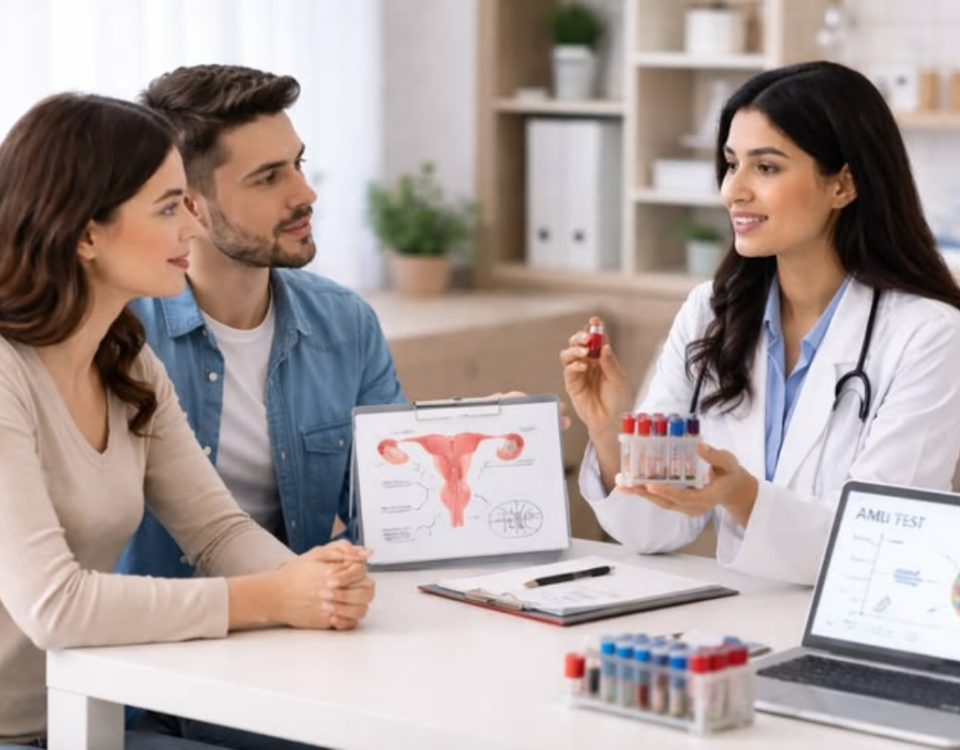
Common Causes of Female Infertility Every Woman Should Know

IVF Preparation Guide: How to Get Your Body Ready for Treatment
July 2, 2026
Common Myths and Facts About IVF: Separating Truth from Misconceptions
July 14, 2026
Infertility is a common health concern that affects millions of women across the world. It is generally defined as the inability to conceive after 12 months of regular, unprotected intercourse. For women over the age of 35, doctors may recommend an evaluation after six months of trying to conceive. While infertility can be emotionally challenging, understanding its possible causes is the first step toward finding the right treatment and improving the chances of pregnancy. Women seeking expert fertility treatments in aligarh benefit from timely diagnosis, personalized care, and advanced reproductive solutions to improve their chances of a successful pregnancy.
Female infertility can result from a variety of medical, hormonal, structural, and lifestyle factors. Fortunately, many of these conditions can be diagnosed early and managed effectively with proper medical care. This article explains the most common causes of female infertility and highlights the importance of early diagnosis and treatment.
Understanding Female Infertility
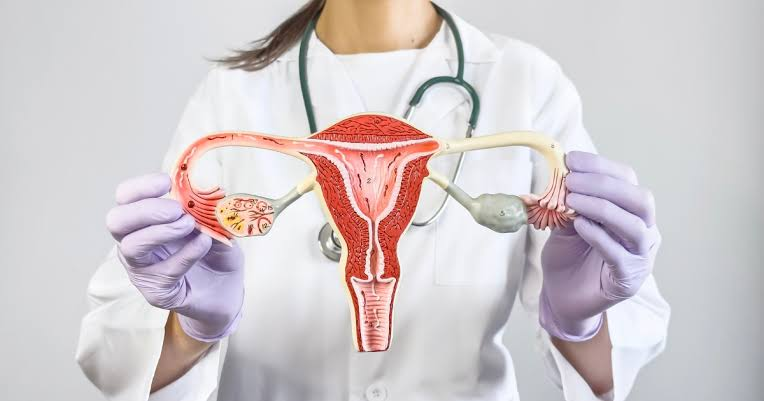
A healthy pregnancy depends on several important processes working together. The ovaries must release a healthy egg, the fallopian tubes must transport the egg, fertilization must occur, and the fertilized egg must successfully implant in the uterus. If any part of this process is affected, it can make conception more difficult.
Infertility is not always caused by a single issue. In many cases, multiple factors contribute to the difficulty in becoming pregnant.
Ovulation Disorders
Ovulation disorders are among the leading causes of female infertility. Ovulation is the process during which the ovary releases a mature egg for fertilization. If ovulation occurs irregularly or does not happen at all, pregnancy becomes difficult.
Common reasons for ovulation disorders include:
- Hormonal imbalances
- Polycystic Ovary Syndrome (PCOS)
- Thyroid disorders
- Elevated prolactin levels
- Premature ovarian insufficiency
Women with ovulation disorders may experience irregular menstrual cycles, missed periods, or very light menstrual bleeding. Proper hormonal testing and ultrasound examinations help identify these conditions.
Polycystic Ovary Syndrome (PCOS)
PCOS is one of the most common hormonal disorders affecting women of reproductive age. It is a major cause of infertility because it interferes with regular ovulation.
Common symptoms of PCOS include:
- Irregular or absent menstrual periods
- Excess facial or body hair
- Acne
- Weight gain
- Multiple small ovarian cysts visible on ultrasound
Although PCOS can make conception more challenging, many women with this condition successfully become pregnant with appropriate treatment, healthy lifestyle changes, and fertility support.
Age-Related Decline in Fertility
Female fertility naturally declines with age. Women are born with a fixed number of eggs, and both the quantity and quality decrease over time.
The decline becomes more noticeable after the age of 35 and accelerates after 40. Older eggs have a lower chance of successful fertilization and a higher risk of chromosomal abnormalities.
Women planning pregnancy later in life should consult a fertility specialist if conception does not occur within the recommended timeframe.
Blocked or Damaged Fallopian Tubes
The fallopian tubes play an essential role in carrying the egg from the ovary to the uterus. Fertilization usually occurs inside the fallopian tube. If the tubes are blocked or damaged, the sperm and egg cannot meet.
Common causes include:
- Pelvic inflammatory disease
- Previous pelvic infections
- Endometriosis
- Previous abdominal or pelvic surgery
- Tubal scarring
Doctors often recommend imaging tests such as hysterosalpingography (HSG) to evaluate whether the fallopian tubes are open.
Endometriosis
Endometriosis occurs when tissue similar to the lining of the uterus grows outside the uterus. This condition can affect the ovaries, fallopian tubes, and surrounding pelvic organs.
Symptoms may include:
- Severe menstrual pain
- Pain during intercourse
- Heavy menstrual bleeding
- Chronic pelvic pain
- Difficulty becoming pregnant
Endometriosis may lead to inflammation, scar tissue formation, and damage to reproductive organs, making conception more difficult.

Uterine Abnormalities
The uterus provides the environment where a fertilized egg implants and grows during pregnancy. Structural abnormalities of the uterus can interfere with implantation or increase the risk of miscarriage.
Some common uterine conditions include:
- Uterine fibroids
- Endometrial polyps
- Congenital uterine abnormalities
- Intrauterine adhesions
- Thickened uterine lining disorders
Many uterine conditions can be diagnosed using ultrasound, hysteroscopy, or MRI and may be treated successfully.
Premature Ovarian Insufficiency
Premature ovarian insufficiency occurs when ovarian function declines before the age of 40. The ovaries stop releasing eggs regularly and produce lower levels of estrogen.
Possible symptoms include:
- Irregular periods
- Hot flashes
- Night sweats
- Vaginal dryness
- Difficulty conceiving
Although pregnancy becomes more challenging, some women with this condition may still ovulate occasionally.
Hormonal Imbalances
Hormones regulate every stage of the reproductive cycle. Even small hormonal disturbances can interfere with ovulation and fertility.
Important hormones involved include:
- Follicle-stimulating hormone (FSH)
- Luteinizing hormone (LH)
- Estrogen
- Progesterone
- Thyroid hormones
- Prolactin
Blood tests help identify hormonal abnormalities and guide appropriate treatment.
Lifestyle Factors That Affect Fertility
Daily lifestyle habits have a significant influence on reproductive health.
Factors that may reduce fertility include:
- Smoking
- Excessive alcohol consumption
- Poor nutrition
- Obesity
- Being significantly underweight
- Chronic stress
- Lack of physical activity
- Poor sleep quality
Maintaining a healthy body weight, eating a balanced diet, exercising regularly, and avoiding harmful habits can improve fertility outcomes.
Medical Conditions That Can Impact Fertility
Several medical conditions may interfere with normal reproductive function.
These include:
- Diabetes
- Thyroid disease
- Autoimmune disorders
- Kidney disease
- Liver disease
- Certain genetic disorders
Managing these conditions under medical supervision can improve reproductive health and pregnancy outcomes.
Previous Surgeries and Pelvic Conditions
Certain surgical procedures involving the reproductive organs or pelvic region may affect fertility if scar tissue develops afterward.
Examples include:
- Ovarian surgery
- Fibroid removal
- Surgery for ectopic pregnancy
- Pelvic infection treatment
- Appendectomy with complications
Not every surgery causes infertility, but discussing previous procedures with a fertility specialist is important during evaluation.
When Should You Seek Medical Advice?
Women should consider consulting a healthcare provider if:
- Pregnancy has not occurred after one year of regular, unprotected intercourse.
- They are over 35 years of age and have been trying for six months.
- Menstrual cycles are highly irregular or absent.
- They have severe pelvic pain or painful periods.
- They have experienced repeated miscarriages.
- They have a history of pelvic infections or endometriosis.
Early evaluation helps identify underlying causes before they become more difficult to manage.
Diagnostic Tests for Female Infertility
A fertility evaluation may include several investigations, depending on individual symptoms and medical history.
Common diagnostic tests include:
- Blood hormone analysis
- Ovulation assessment
- Pelvic ultrasound
- Hysterosalpingography (HSG)
- Hysteroscopy
- Ovarian reserve testing
- MRI in selected cases
A complete assessment allows doctors to recommend the most suitable treatment plan.
Treatment Options
Treatment depends on the specific cause of infertility. Modern reproductive medicine offers several effective options.
These may include:
- Lifestyle modifications
- Hormonal medications
- Ovulation induction
- Surgical correction of uterine abnormalities
- Treatment of thyroid or hormonal disorders
- Management of endometriosis
- Assisted reproductive techniques such as IVF or IUI
Every treatment plan should be personalized according to the woman’s age, overall health, and underlying condition.

Conclusion
Female infertility is a complex condition with many possible causes, ranging from hormonal imbalances and ovulation disorders to structural abnormalities and lifestyle factors. Understanding these causes empowers women to seek timely medical advice and make informed decisions about their reproductive health.
Early diagnosis plays a vital role in identifying treatable conditions before they progress. Advances in fertility medicine have made it possible for many women to overcome infertility and achieve successful pregnancies. If you are experiencing difficulty conceiving or have symptoms that may affect test tube baby center in aligarh consulting a qualified healthcare professional is the best step toward understanding your options and receiving appropriate care.