Severe Menstrual Pain: Causes, Symptoms & Effective Relief

Understanding the IVF Process: Step-by-Step Guide to Fertility Treatment
July 29, 2026
Unusual Vaginal Discharge: Causes, Symptoms & When to See a Doctor
August 7, 2026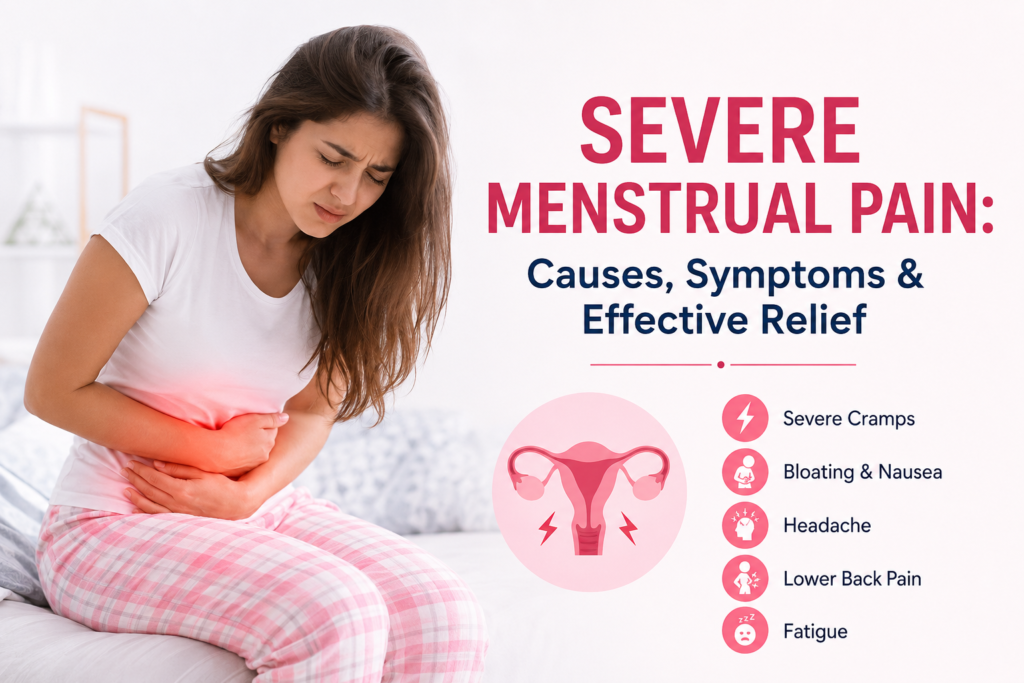
Menstrual pain is a common part of the monthly cycle for many women. While mild cramps are considered normal, severe menstrual pain can interfere with daily life, making it difficult to work, study, or even rest comfortably. If your pain becomes severe or persistent, consulting the best gynecologist obstetricians in aligarh can help identify the underlying cause and ensure timely treatment. Many women assume intense pain is something they must simply tolerate, but this is not true. Persistent or unbearable menstrual pain may be a sign of an underlying medical condition that requires proper diagnosis and treatment.

READ MORE : Understanding the IVF Process: Step-by-Step Guide to Fertility Treatment
Understanding the causes, symptoms, and available treatment options can help women manage their discomfort and improve their overall quality of life. Early medical attention can also prevent complications that may affect reproductive health in the future.
What Is Severe Menstrual Pain?
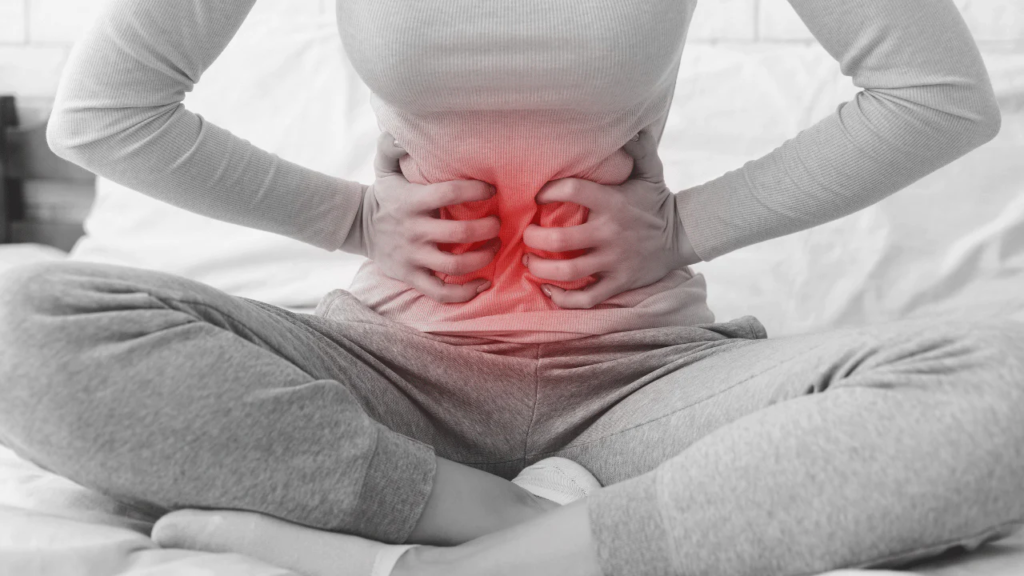
Severe menstrual pain, also known as dysmenorrhea, refers to intense cramping or pelvic pain that occurs before or during menstruation. The pain usually begins in the lower abdomen and may spread to the lower back, hips, or thighs. While some discomfort during periods is common, severe pain that disrupts daily activities should never be ignored.
There are two main types of dysmenorrhea:
- Primary Dysmenorrhea: Pain caused by natural uterine contractions during menstruation without any underlying disease.
- Secondary Dysmenorrhea: Pain resulting from medical conditions such as endometriosis, uterine fibroids, adenomyosis, or pelvic inflammatory disease.
Knowing the difference helps healthcare providers recommend the most effective treatment.
Common Causes of Severe Menstrual Pain
Several factors can contribute to painful periods. Some are temporary, while others require medical treatment.
1. High Levels of Prostaglandins
Prostaglandins are hormone-like substances that trigger uterine contractions during menstruation. Excessive prostaglandin production causes stronger contractions, reducing blood flow to the uterus and resulting in severe cramps.
2. Endometriosis
Endometriosis occurs when tissue similar to the uterine lining grows outside the uterus. This condition often causes severe pelvic pain, painful periods, discomfort during intercourse, and fertility-related problems.
3. Uterine Fibroids
Fibroids are non-cancerous growths in the uterus. Depending on their size and location, they can lead to heavy menstrual bleeding, pelvic pressure, and painful menstrual cramps.
4. Adenomyosis
In adenomyosis, the uterine lining grows into the muscular wall of the uterus, causing enlarged uterine muscles, prolonged bleeding, and severe menstrual pain.
5. Pelvic Inflammatory Disease (PID)
PID is an infection affecting the female reproductive organs. It can cause chronic pelvic pain, fever, abnormal vaginal discharge, and painful menstruation.
6. Cervical Narrowing
Some women naturally have a narrow cervical opening, making menstrual blood flow more difficult. This increases pressure inside the uterus and leads to stronger cramps.
Symptoms of Severe Menstrual Pain
Symptoms vary from person to person, but common signs include:
- Intense cramping in the lower abdomen
- Pain radiating to the lower back and thighs
- Nausea or vomiting
- Diarrhea or digestive discomfort
- Headache
- Fatigue and weakness
- Heavy menstrual bleeding
- Dizziness
- Pain lasting longer than two or three days
- Difficulty performing daily activities
If these symptoms become worse over time or continue every menstrual cycle, medical evaluation is recommended.
Risk Factors
Certain factors increase the likelihood of experiencing painful periods:
- Starting menstruation at an early age
- Heavy menstrual bleeding
- Family history of painful periods
- Smoking
- High stress levels
- Hormonal imbalance
- Existing reproductive health conditions
Understanding these risk factors allows women to seek timely medical care before symptoms become more severe.
How Severe Menstrual Pain Is Diagnosed
A healthcare provider usually begins with a detailed medical history and physical examination. Additional diagnostic tests may include:
- Pelvic examination
- Ultrasound scan
- Blood tests
- MRI (in selected cases)
- Laparoscopy for suspected endometriosis
Proper diagnosis is essential because treatment depends on the underlying cause rather than just relieving pain.

Effective Relief for Severe Menstrual Pain
Fortunately, several treatment options can significantly reduce menstrual discomfort.
Pain Relief Medications
Nonsteroidal anti-inflammatory drugs (NSAIDs), such as ibuprofen, help reduce prostaglandin production and relieve menstrual cramps. These medications are most effective when taken at the beginning of symptoms.
Heat Therapy
Applying a heating pad or hot water bottle to the lower abdomen relaxes uterine muscles and improves blood circulation, providing natural pain relief.
Regular Exercise
Light physical activities like walking, stretching, or yoga stimulate the release of endorphins, the body’s natural pain-relieving chemicals.
Healthy Diet
Eating a balanced diet rich in fruits, vegetables, whole grains, and omega-3 fatty acids may reduce inflammation. Staying hydrated and limiting caffeine, processed foods, and excessive salt can also help minimize bloating and cramps.
Stress Management
Stress often makes menstrual pain feel worse. Deep breathing exercises, meditation, and adequate sleep support hormonal balance and overall menstrual health.
Hormonal Treatment
Birth control pills or other hormonal therapies may be recommended for women with recurring severe menstrual pain, especially when related to hormonal conditions.
Treatment of Underlying Conditions
If endometriosis, fibroids, adenomyosis, or pelvic inflammatory disease is causing the pain, treating these conditions usually provides long-term relief.
When Should You See a Doctor?
Medical consultation is necessary if:
- Pain suddenly becomes much worse than previous cycles.
- Over-the-counter pain medicines no longer work.
- Menstrual pain prevents normal daily activities.
- Heavy bleeding occurs with large blood clots.
- Pain continues even after menstruation ends.
- Fever or foul-smelling vaginal discharge develops.
- Pregnancy is possible and severe pelvic pain occurs.
Ignoring persistent symptoms may delay diagnosis of treatable reproductive health conditions.
Can Severe Menstrual Pain Affect Fertility?
In some cases, yes. Conditions like endometriosis and pelvic inflammatory disease can affect fertility if left untreated. Women who experience severe menstrual pain along with difficulty conceiving should seek evaluation from an experienced gynecologist. If fertility concerns persist, visiting a trusted test tube baby center in aligarh can help you receive expert guidance and personalized treatment options. If advanced fertility treatment becomes necessary, consulting a specialized test tube baby center can help determine the most appropriate approach based on individual reproductive health needs.
Not every woman with painful periods will experience infertility, but early diagnosis improves treatment outcomes and protects long-term reproductive health.
Tips to Reduce Menstrual Pain Naturally
Simple lifestyle habits can make a noticeable difference:
- Exercise regularly throughout the month.
- Maintain a healthy body weight.
- Get sufficient sleep every night.
- Drink plenty of water.
- Reduce smoking and alcohol consumption.
- Include magnesium-rich foods in your diet.
- Practice gentle stretching during periods.
- Track your menstrual cycle and symptoms.
Consistency with healthy habits often leads to gradual improvement in menstrual comfort.
Final Thoughts
Severe menstrual pain should never be considered a normal part of life if it regularly disrupts your routine. While many women experience menstrual cramps, persistent or worsening pain may indicate an underlying medical condition that deserves proper attention. Early diagnosis, lifestyle modifications, appropriate medications, and timely treatment can significantly improve menstrual health and overall well-being.
If severe menstrual pain is accompanied by fertility concerns or symptoms of reproductive disorders, seeking guidance from a qualified gynecologist or a trusted Test Tube Baby Center can provide personalized evaluation and treatment options. Taking menstrual pain seriously today can help protect both your immediate health and your future reproductive wellness.