Foods to Eat During Early Pregnancy for Better Breastfeeding

Blocked or Damaged Fallopian Tubes: Causes, Symptoms & Treatment
July 18, 2026
How Long Does One IVF Cycle Take? A Complete Timeline Guide
July 28, 2026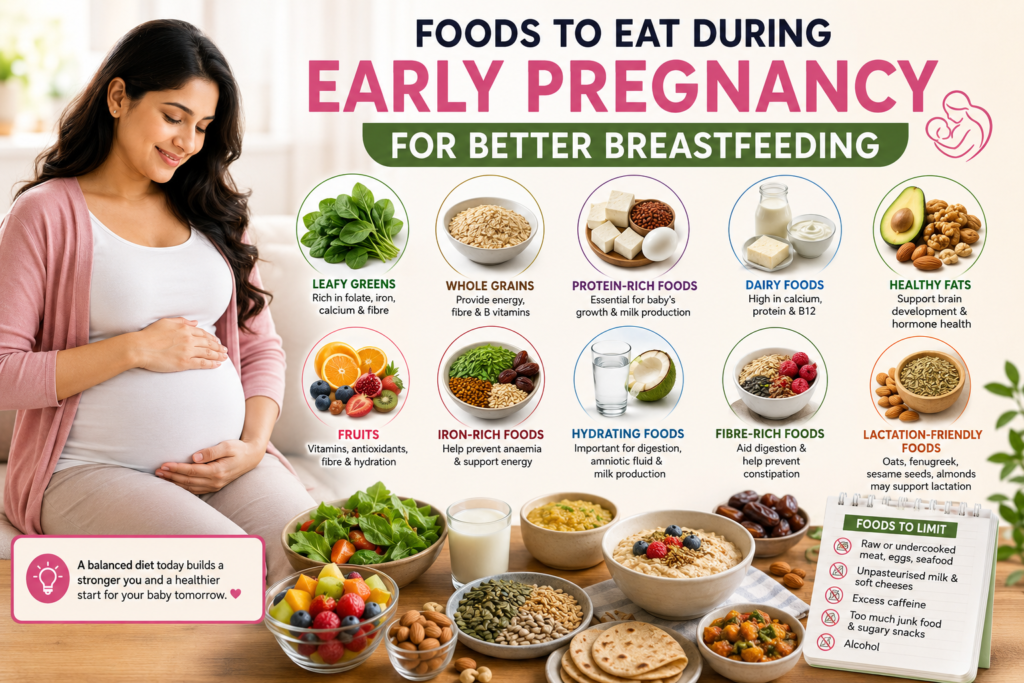
Early pregnancy is a time of rapid change. Your body is building the foundation for your baby’s growth, and at the same time, it is preparing for the months after birth too. Many women think about pregnancy nutrition only in terms of morning sickness, baby development, or weight gain, but the foods you choose now can also support your body later when breastfeeding begins.
To ensure both mother and baby stay healthy throughout pregnancy, it is important to follow a balanced diet and attend regular prenatal check-ups. Consulting the best gynecologist obstetricians in aligarh can help you receive personalised nutritional advice, monitor your baby’s development, and prepare for a healthy pregnancy, safe delivery, and successful breastfeeding journey
READ MORE : Blocked or Damaged Fallopian Tubes: Causes, Symptoms & Treatment
Why early pregnancy nutrition matters
During the first trimester, your body needs extra nutrients, even if your appetite changes or nausea makes eating difficult. This is the stage when your baby’s organs begin to form, and your body starts making changes that will continue through pregnancy and into lactation. If you nourish yourself well now, you are more likely to have stronger nutrient reserves later when breastfeeding demands begin.
Breastfeeding requires extra calories, fluids, protein, calcium, iron, healthy fats, and several vitamins. Building those reserves during pregnancy can support your postpartum health and help your body adjust more easily to milk production.
1. Leafy green vegetables
Spinach, kale, fenugreek leaves, broccoli, and other leafy greens should be part of your early pregnancy meals. They are rich in folate, iron, calcium, and fibre. Folate is especially important in the first trimester because it supports the baby’s brain and spinal cord development. Iron helps prevent fatigue and supports healthy blood production, which becomes even more important after delivery.
Leafy greens also contain antioxidants and minerals that support overall health. Add them to soups, sabzis, smoothies, omelettes, or lentils for an easy nutrient boost.
2. Whole grains
Whole grains such as oats, brown rice, whole wheat, ragi, barley, and millets provide steady energy and important B vitamins. These foods are rich in fibre, which can help with constipation, a common problem in early pregnancy.
Whole grains also help keep blood sugar levels more stable, which is useful when appetite and nausea make eating unpredictable. Oatmeal, multigrain rotis, porridge, and vegetable-upma style meals are simple options that fit well into a pregnancy diet.
3. Protein-rich foods
Protein is one of the most important nutrients in early pregnancy because it helps build the baby’s tissues, placenta, and maternal blood supply. It is also essential for milk production later.
Good protein choices include:
- Eggs
- Paneer
- Curd and yoghurt
- Lentils and dals
- Chickpeas and beans
- Tofu
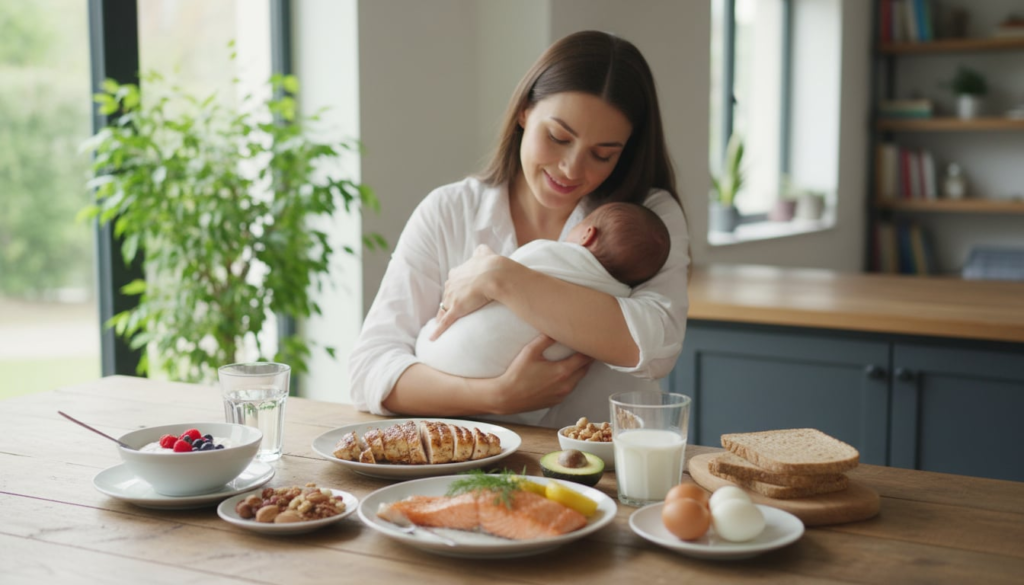
- Chicken and fish, if you eat them
- Nuts and seeds
Try to include protein in every meal. For example, pair fruit with yoghurt, roti with dal, or rice with paneer and vegetables. This can also help you feel full for longer and reduce unhealthy snacking.
4. Dairy foods
Milk, curd, buttermilk, paneer, and other dairy products are excellent sources of calcium, protein, and vitamin B12. Calcium is necessary for your baby’s bones and teeth, and it also helps protect your own bone health during pregnancy and breastfeeding.
If you do not tolerate milk well, try curd or lactose-free options. Fortified plant-based alternatives may also help, but check that they contain calcium and vitamin D.
5. Healthy fats
Healthy fats are essential for your baby’s brain development and for your own hormone health. They also help your body absorb fat-soluble vitamins such as A, D, E, and K.
Include foods like:
- Avocados
- Nuts such as almonds and walnuts
- Seeds like flaxseeds, chia seeds, and sunflower seeds
- Ghee in moderation
- Olive oil or other healthy cooking oils
- Fatty fish such as salmon or sardines, if suitable for you
Omega-3 fats, especially DHA, are particularly valuable because they support brain and eye development. They may also contribute to the quality of breast milk later.
6. Fruits rich in vitamins and water
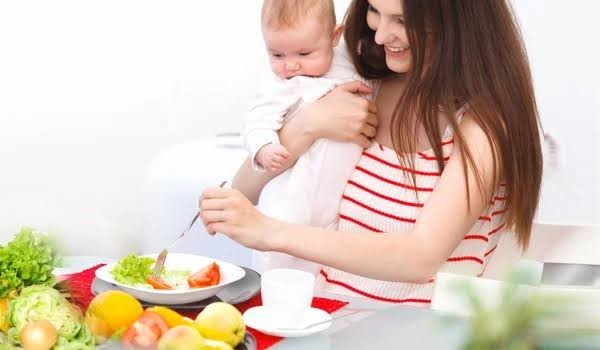
Fruits provide natural sweetness, hydration, fibre, and many essential vitamins. In early pregnancy, they can be easier to tolerate than heavy meals, especially if you are feeling nauseous.
Good choices include:
- Oranges
- Mosambi
- Apples
- Bananas
- Berries
- Papaya only if fully ripe and approved by your doctor’s guidance
- Pomegranate
- Guava
Citrus fruits offer vitamin C, which helps the body absorb iron from plant foods. Bananas can be especially helpful if you feel weak or have morning sickness.
7. Iron-rich foods
Iron is one of the most important minerals in pregnancy. It helps prevent anaemia, supports blood flow, and reduces fatigue. Since breastfeeding also requires energy and recovery after childbirth can be tiring, building good iron levels during pregnancy is a smart step.
Iron-rich foods include:
- Spinach and other greens
- Lentils
- Beans
- Sesame seeds
- Raisins and dates
- Beetroot
- Lean meat, if consumed
- Iron-fortified cereals
Pair iron-rich foods with vitamin C sources such as lemon, amla, oranges, or tomatoes to improve absorption.
8. Hydrating foods and fluids
Staying hydrated during pregnancy is important for digestion, circulation, and amniotic fluid support. It also helps your body prepare for breastfeeding, since milk production relies heavily on fluids.
Drink enough water through the day and include hydrating foods such as cucumber, watermelon, soups, coconut water, and fresh fruit. If plain water feels difficult, sip slowly and frequently rather than trying to drink large amounts at once.
9. Fibre-rich foods
Hormonal changes in early pregnancy often slow digestion. Fibre helps prevent constipation, supports gut health, and keeps your digestion more comfortable.
Good fibre sources include:
- Oats
- Whole fruits
- Vegetables
- Lentils
- Beans
- Chia seeds
- Whole wheat and millets
Increasing fibre gradually and drinking enough water can help avoid bloating.
10. Foods that may help your body later with breastfeeding
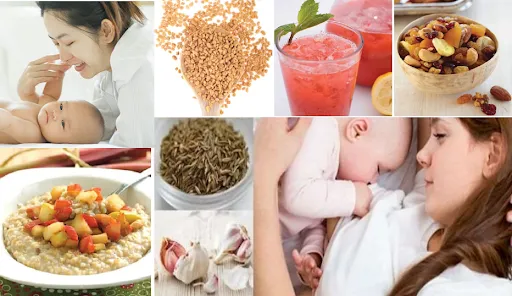
Some foods are traditionally linked with lactation support, such as oats, fennel seeds, fenugreek, sesame seeds, almonds, and green leafy vegetables. While no single food guarantees more milk, these foods are nutritious and can be part of a balanced diet that supports overall recovery and nourishment.
A stronger diet in pregnancy may help you feel more prepared physically when breastfeeding begins. It can also reduce nutritional gaps that may affect your energy in the postpartum period.
Foods to limit during early pregnancy
To protect yourself and your baby, avoid or limit foods that may carry risk or offer little nutrition. These include:
- Raw or undercooked eggs, meat, and seafood
- Unpasteurised milk and soft cheeses
- Excess caffeine
- Too much junk food and sugary snacks
- Packaged foods high in trans fats or sodium
- Alcohol
Also be careful with herbal supplements or home remedies unless recommended by your doctor, because not all are safe during pregnancy or breastfeeding.
A sample day of eating
Here is a simple example of a pregnancy-friendly day:
Breakfast: Oats with milk, nuts, and banana
Mid-morning snack: Apple or orange
Lunch: Roti, dal, mixed vegetable sabzi, and curd
Evening snack: Roasted chana or a handful of nuts
Dinner: Rice or roti with paneer, greens, and soup
Before bed: Warm milk or a light snack if needed
This kind of balanced pattern can support both pregnancy health and future breastfeeding needs.
Final thoughts
If you are planning your pregnancy or need specialised fertility and maternity care, consulting a trusted test tube baby center in aligarh provide expert guidance from preconception through pregnancy and postpartum care. Experienced specialists can help you maintain optimal maternal health, ensuring both you and your baby receive the best possible start for a healthy pregnancy and successful breastfeeding journey.
Every pregnancy is different, so listen to your body and speak with your doctor or dietitian about your personal needs, especially if you have nausea, diabetes, anaemia, thyroid concerns, or a special diet. Small, consistent food choices now can make a big difference later.