Role of Iron in Pregnancy: Why It Matters for Mother and Baby

Importance of Yoga in Pregnancy for a Healthy Journey
May 14, 2026
Normal Delivery: What to Expect, Benefits and Complications
May 25, 2026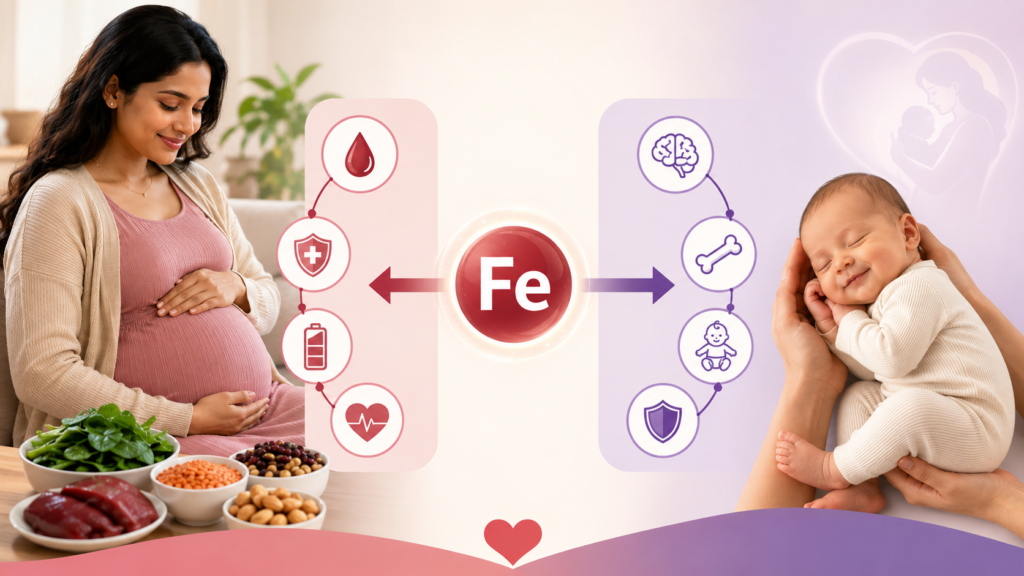
Pregnancy is a beautiful journey that brings many physical and emotional changes to a woman’s life. During this period, the body requires extra nutrients to support the growing baby and maintain the mother’s health. Among all essential nutrients, iron plays one of the most important roles in ensuring a healthy pregnancy. Iron helps in the production of hemoglobin, a protein in red blood cells that carries oxygen throughout the body. As blood volume increases during pregnancy, the need for iron also rises significantly.
A lack of iron during pregnancy can lead to complications such as anemia, fatigue, low birth weight, and premature delivery. Understanding the role of iron and maintaining proper iron levels can help both mother and baby stay healthy throughout pregnancy.
Why Iron Is Important During Pregnancy
Iron is essential for making hemoglobin, which transports oxygen to the tissues and organs. During pregnancy, the body produces nearly 50% more blood than usual to support the developing baby. This increased blood production requires a higher amount of iron.
Iron is also important for:
- Supporting the baby’s growth and brain development
- Preventing maternal anemia
- Reducing the risk of infections
- Maintaining energy levels
- Supporting healthy muscle function
- Helping in proper oxygen supply to the placenta
Without enough iron, the body cannot produce sufficient healthy red blood cells, leading to iron deficiency anemia.
Increased Iron Requirement During Pregnancy
The iron requirement for pregnant women is much higher than for non-pregnant women. Generally, pregnant women need around 27 milligrams of iron daily. This requirement increases because:
- The mother’s blood volume expands
- The growing fetus needs iron for development
- The placenta also requires iron
- The body prepares for blood loss during childbirth
Women who enter pregnancy with low iron stores are at greater risk of developing anemia.
Signs of Iron Deficiency During Pregnancy
Iron deficiency can develop gradually, and many symptoms are often ignored during pregnancy because they may appear similar to normal pregnancy discomforts.
Common signs include:
- Constant tiredness and weakness
- Pale skin
- Shortness of breath
- Dizziness
- Headaches
- Rapid heartbeat
- Cold hands and feet
- Difficulty concentrating
If left untreated, severe iron deficiency can affect both the mother and baby.
Risks of Low Iron Levels in Pregnancy
Iron deficiency anemia can lead to several pregnancy complications. Some of the major risks include:
1. Premature Birth
Low iron levels may increase the chances of early delivery.
2. Low Birth Weight
Babies born to mothers with severe anemia may have lower birth weight.
3. Increased Fatigue
Pregnant women already experience tiredness, but anemia can make fatigue more severe.
4. Weak Immune System
Iron deficiency can reduce immunity and make infections more common.
5. Postpartum Depression
Some studies suggest that anemia may increase the risk of emotional and mental health issues after childbirth.
6. Developmental Problems in Babies
Iron is essential for brain development. Severe deficiency can impact the baby’s cognitive growth.
Best Food Sources of Iron
Maintaining a healthy diet is one of the best ways to improve iron levels naturally. Iron-rich foods should be included regularly during pregnancy.
Animal-Based Iron Sources
These contain heme iron, which is easily absorbed by the body.
- Lean red meat
- Chicken
- Fish
- Eggs
- Liver (in limited amounts and under medical advice)
Plant-Based Iron Sources
These contain non-heme iron.
- Spinach
- Lentils
- Beans
- Tofu
- Pumpkin seeds
- Dry fruits like raisins and apricots
- Broccoli
- Beetroot
Vegetarian women should pay extra attention to iron intake because plant-based iron is absorbed less efficiently.
How Vitamin C Helps Iron Absorption
Vitamin C improves the body’s ability to absorb iron. Combining iron-rich foods with vitamin C-rich foods can increase absorption significantly.
Good sources of vitamin C include:
- Oranges
- Lemons
- Tomatoes
- Strawberries
- Kiwi
- Bell peppers
For example, drinking lemon water with meals or adding tomatoes to spinach dishes can help improve iron absorption.
Foods That Reduce Iron Absorption
Certain foods and drinks can interfere with iron absorption if consumed in excess near meal times.
These include:
- Tea
- Coffee
- Calcium supplements
- Dairy products in large amounts
- Processed foods
Pregnant women should avoid drinking tea or coffee immediately after meals if they are trying to improve iron levels.
Iron Supplements During Pregnancy
Many doctors recommend iron supplements during pregnancy because diet alone may not always meet increased iron requirements. Supplements are especially important for women who:
- Have anemia
- Are carrying twins
- Have heavy menstrual history before pregnancy
- Follow vegetarian or vegan diets
- Had closely spaced pregnancies
Iron supplements should only be taken under medical supervision because excessive iron can also cause side effects.
Common Side Effects of Iron Supplements
Some women may experience:
- Constipation
- Nausea
- Dark stools
- Stomach discomfort
Taking supplements after meals and drinking plenty of water may help reduce these side effects.
Tips to Maintain Healthy Iron Levels
Here are some practical tips for maintaining good iron levels during pregnancy:
Eat Balanced Meals
Include iron-rich foods in your daily diet.
Combine Iron With Vitamin C
This improves absorption naturally.
Stay Hydrated
Water helps reduce constipation caused by supplements.
Get Regular Blood Tests
Routine pregnancy checkups can help monitor hemoglobin levels.
Avoid Self-Medication
Always consult your doctor before starting supplements.
Follow Medical Advice
Regular prenatal care ensures healthy pregnancy progress. Women seeking fertility and pregnancy support often consult trusted healthcare providers such as the “Best IVF Center in Aligarh” for proper maternal care and nutritional guidance.
Iron Needs in Different Trimesters
First Trimester
Iron requirements are slightly lower, but maintaining healthy iron stores is still important.
Second Trimester
Blood volume starts increasing rapidly, raising the need for iron.
Third Trimester
The baby stores iron for use after birth, making this stage especially important for iron intake.
Importance of Prenatal Checkups
Regular prenatal visits help detect iron deficiency early. Doctors usually monitor hemoglobin levels through blood tests during pregnancy. Early diagnosis allows timely treatment and prevents complications.
Prenatal care also helps doctors recommend proper nutrition, supplements, and lifestyle modifications based on individual health conditions.
Can Too Much Iron Be Harmful?
Yes, excessive iron intake can also create problems. Taking too many supplements without medical guidance may cause:
- Stomach pain
- Vomiting
- Liver issues
- Constipation
- Poor absorption of other minerals
This is why iron supplements should only be taken in recommended doses.
Healthy Lifestyle for Better Pregnancy Outcomes
Apart from iron intake, pregnant women should also focus on overall wellness.
Important lifestyle habits include:
- Eating nutritious meals
- Sleeping adequately
- Exercising moderately
- Managing stress
- Avoiding smoking and alcohol
- Staying physically active
A healthy lifestyle supports better nutrient absorption and improves maternal and fetal health.
Conclusion
Iron plays a critical role in maintaining a healthy pregnancy. From supporting oxygen transport to helping the baby’s brain development, iron is essential for both mother and child. Iron deficiency during pregnancy can lead to serious complications, but with proper nutrition, regular checkups, and medical guidance, it can be effectively managed.
Pregnant women should focus on consuming iron-rich foods, improving absorption through vitamin C, and taking supplements when advised by healthcare professionals. By maintaining healthy iron levels, mothers can support a safer pregnancy and a healthier future for their babies.