What Is Embryo Transfer? A Complete Guide for Beginners

Is IVF Safe? Risks, Benefits & Complete Guide
April 16, 2026
Is IVF Safe? A Complete Guide for Couples
April 28, 2026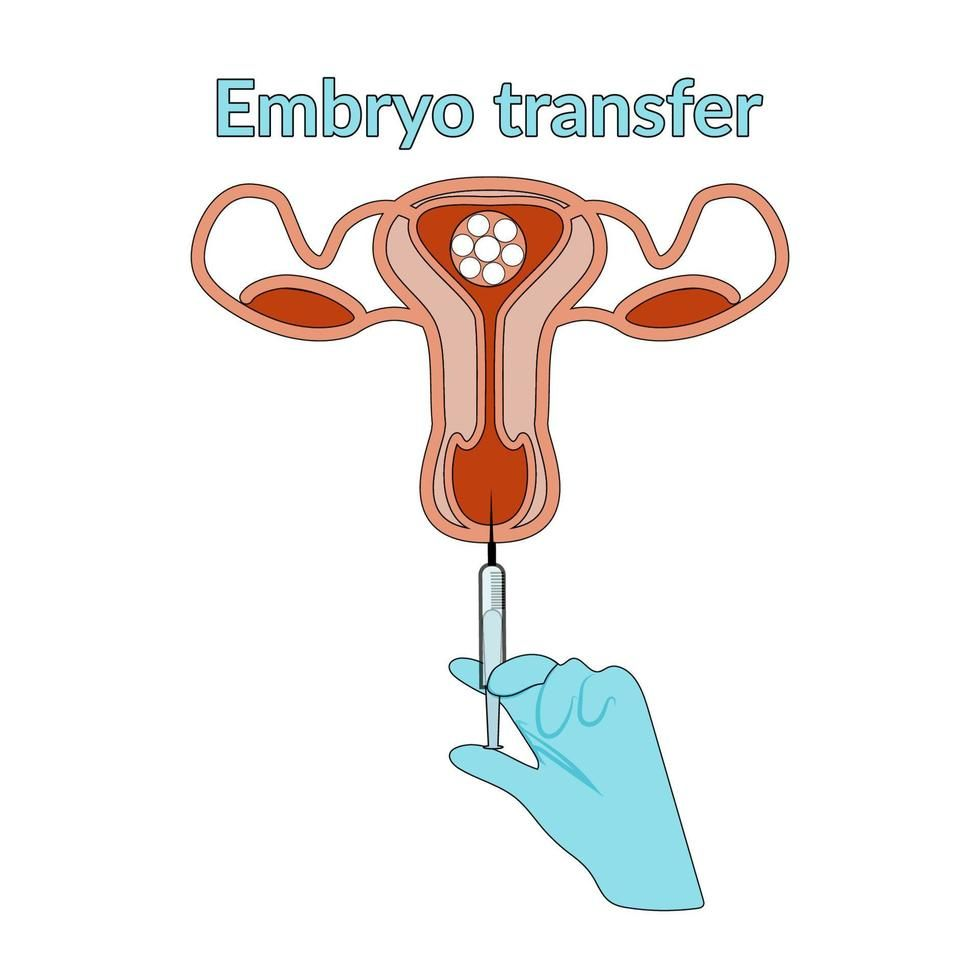
Embryo transfer is one of the most crucial steps in assisted reproductive technology, especially in the process of in vitro fertilization (IVF). For couples struggling with infertility, this procedure often represents hope, precision, and the possibility of starting a family. In this detailed guide, we will explain what embryo transfer is, how it works, its types, procedure, success factors, and aftercare.
Understanding Embryo Transfer
Embryo transfer is a medical procedure in which a fertilized egg (embryo) is placed into a woman’s uterus to achieve pregnancy. It typically follows the IVF process, where eggs are retrieved from the ovaries, fertilized with sperm in a laboratory, and then monitored for development.
Once the embryo reaches the desired stage of growth, it is transferred into the uterus with the aim of implantation and pregnancy.
Why Is Embryo Transfer Done?
Embryo transfer is performed to help individuals or couples conceive when natural conception is difficult or not possible. It is commonly recommended in cases such as:
- Blocked or damaged fallopian tubes
- Male infertility issues
- Ovulation disorders
- Endometriosis
- Unexplained infertility
- Genetic disorders (in combination with embryo screening)
This procedure is a key step in fertility treatments like IVF and intracytoplasmic sperm injection (ICSI).
Types of Embryo Transfer
There are different types of embryo transfers based on timing and embryo development:
1. Fresh Embryo Transfer
In this method, the embryo is transferred into the uterus shortly after fertilization, usually within 3–5 days. It occurs during the same cycle as egg retrieval.
2. Frozen Embryo Transfer (FET)
Here, embryos are frozen (cryopreserved) and transferred in a later cycle. This allows the body to recover and provides flexibility in timing.
3. Blastocyst Transfer
This involves transferring embryos at the blastocyst stage (day 5 or 6), when they are more developed. It often increases the chances of implantation.
Step-by-Step Embryo Transfer Procedure
Understanding the procedure can help reduce anxiety and prepare you mentally:
1. Preparation of the Uterus
Before the transfer, the uterine lining (endometrium) is prepared using hormonal medications to make it suitable for implantation.
2. Embryo Selection
The best-quality embryo is selected based on its growth and appearance. In some cases, genetic testing may also be done.
3. The Transfer Process
- The procedure is usually painless and does not require anesthesia.
- A thin, flexible catheter is used to place the embryo into the uterus.
- Ultrasound guidance helps ensure accurate placement.
4. Post-Procedure Rest
After the transfer, patients are advised to rest briefly before resuming normal activities.
Does Embryo Transfer Hurt?
Embryo transfer is generally a painless procedure. Some women may experience mild discomfort, similar to a Pap smear. The process is quick, often taking less than 15 minutes.
Success Rate of Embryo Transfer
The success of embryo transfer depends on several factors:
- Age of the woman
- Quality of the embryo
- Uterine health
- Hormonal balance
- Lifestyle factors (diet, stress, smoking)
On average, younger women tend to have higher success rates compared to older women.
Factors That Affect Implantation
For a successful pregnancy, the embryo must implant into the uterine lining. Several factors influence this:
- Thickness of the endometrium
- Timing of the transfer
- Embryo quality
- Absence of uterine abnormalities
Proper medical guidance and monitoring can improve these chances significantly.
What to Do After Embryo Transfer
Post-transfer care is essential for improving the chances of implantation:
1. Take Prescribed Medications
Hormonal support, especially progesterone, is crucial to maintain the uterine lining.
2. Avoid Heavy Activities
While complete bed rest is not necessary, avoid strenuous activities and heavy lifting.
3. Maintain a Healthy Diet
Eat nutritious foods that support overall health and hormonal balance.
4. Stay Positive and Relaxed
Stress can negatively impact the body, so relaxation techniques like meditation can help.
Symptoms After Embryo Transfer
Some women may experience symptoms after embryo transfer, while others may not. Common signs include:
- Mild cramping
- Spotting
- Breast tenderness
- Fatigue
However, these symptoms are not a definite confirmation of pregnancy.
When to Take a Pregnancy Test
Doctors usually recommend waiting about 10–14 days after embryo transfer before taking a pregnancy test. Testing too early may lead to inaccurate results.
Risks and Complications
Embryo transfer is considered safe, but like any medical procedure, it may carry minimal risks:
- Multiple pregnancies (if more than one embryo is transferred)
- Infection (rare)
- Mild uterine cramping
Choosing an experienced fertility specialist can significantly reduce these risks.
Benefits of Embryo Transfer
- Offers hope to couples facing infertility
- Controlled and monitored process
- High success rates with advanced techniques
- Option for genetic screening
Emotional Aspects of Embryo Transfer
The journey of fertility treatment can be emotionally challenging. Anxiety, hope, and uncertainty are common feelings during this phase. Support from family, friends, and professionals can make a big difference.
Seeking guidance from experienced professionals like the Best Gynecologist Obstetricians in Aligarh can help patients feel more confident and supported throughout the process.
Tips to Improve Success Chances
Here are some practical tips to enhance the success of embryo transfer:
- Follow your doctor’s instructions strictly
- Avoid smoking and alcohol
- Maintain a healthy weight
- Stay hydrated
- Get adequate sleep
- Reduce stress levels
Conclusion
Embryo transfer is a vital step in the IVF process and plays a key role in achieving pregnancy for many couples. With advancements in medical science, the procedure has become safer, more effective, and widely accessible.
Understanding the process, preparing both physically and emotionally, and following proper medical advice can significantly improve the chances of success. If you are considering fertility treatment, consulting a qualified specialist can guide you through each step with confidence and care.