Blocked or Damaged Fallopian Tubes: Causes, Symptoms & Treatment

Common Myths and Facts About IVF: Separating Truth from Misconceptions
July 14, 2026
Foods to Eat During Early Pregnancy for Better Breastfeeding
July 25, 2026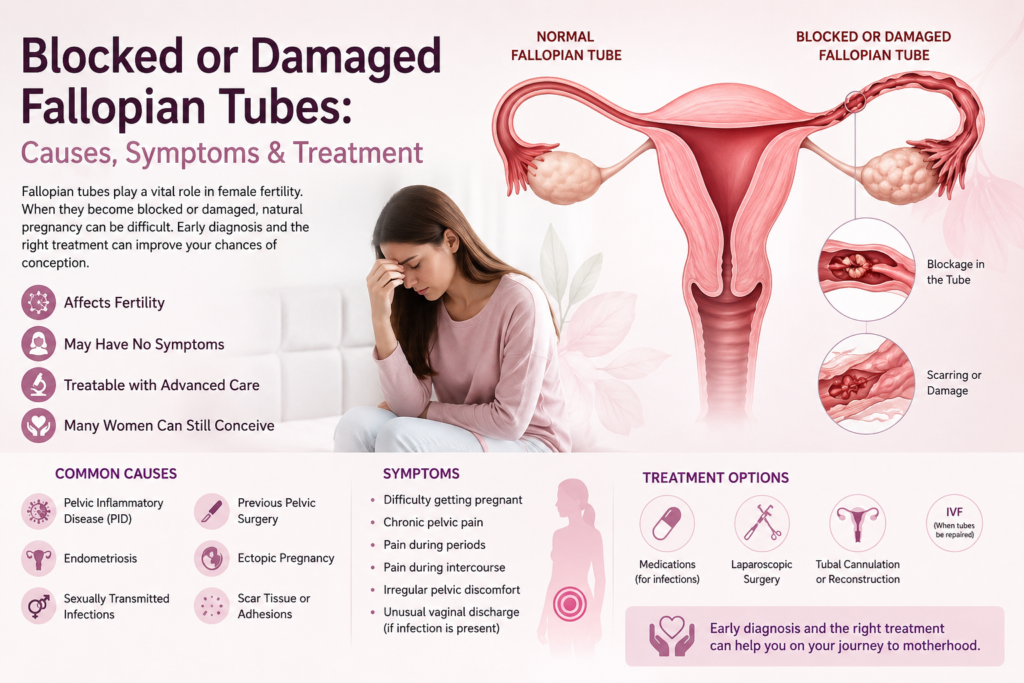
Blocked or damaged fallopian tubes are one of the most common causes of female infertility. These delicate tubes play a vital role in the reproductive system by creating the pathway where the egg meets the sperm. When the tubes become blocked or damaged, fertilization becomes difficult or even impossible, reducing the chances of natural pregnancy.
Many women with blocked fallopian tubes may not experience any noticeable symptoms until they begin trying to conceive. Fortunately, advances in medical diagnosis and treatment have made it possible to identify the condition early and improve fertility outcomes. Consulting experienced specialists, such as the best gynecologist obstetricians in aligarh can help ensure timely diagnosis, personalized treatment, and better fertility care. Understanding the causes, symptoms, diagnostic methods, and available treatments can help women make informed decisions about their reproductive health.
READ MORE : Common Myths and Facts About IVF: Separating Truth from Misconceptions
Understanding the Role of Fallopian Tubes
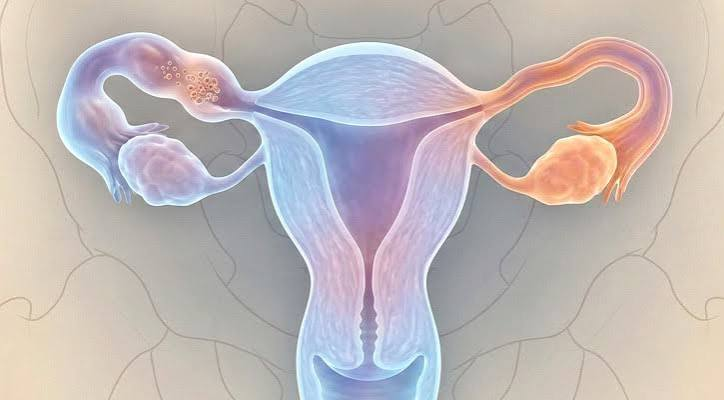
The fallopian tubes are two thin structures connecting the ovaries to the uterus. Every month during ovulation, an egg is released from one of the ovaries and enters a fallopian tube. Fertilization usually takes place inside the tube before the fertilized egg travels to the uterus for implantation.
Healthy fallopian tubes are essential because they:
- Carry the egg from the ovary to the uterus.
- Provide the site where fertilization occurs.
- Help transport the fertilized embryo safely into the uterus.
- Support the early stages of embryo development.
Any blockage or structural damage can interfere with these important functions.
What Does It Mean to Have Blocked or Damaged Fallopian Tubes?
A blocked fallopian tube occurs when the pathway inside the tube is partially or completely obstructed. A damaged fallopian tube refers to structural changes, scarring, or loss of normal function that prevents the tube from working properly.
The blockage may occur:
- Near the uterus
- In the middle portion of the tube
- At the end near the ovary
- Throughout the entire tube
The severity and location of the blockage often determine the available treatment options and chances of pregnancy.
Common Causes of Blocked or Damaged Fallopian Tubes
Several medical conditions can affect the health of the fallopian tubes. Some of the most common causes include:
Pelvic Inflammatory Disease (PID)
Pelvic inflammatory disease is one of the leading causes of tubal damage. It usually develops due to untreated bacterial infections that spread from the reproductive tract to the uterus and fallopian tubes.
Endometriosis
Endometriosis occurs when tissue similar to the uterine lining grows outside the uterus. This abnormal tissue can lead to inflammation, scar formation, and adhesions around the fallopian tubes.
Previous Pelvic Surgery
Surgeries involving the uterus, ovaries, appendix, or abdomen may sometimes cause scar tissue that affects the fallopian tubes.
Sexually Transmitted Infections
Certain sexually transmitted infections, particularly chlamydia and gonorrhea, can damage the reproductive organs if left untreated.
Ectopic Pregnancy
A previous ectopic pregnancy can permanently damage the affected fallopian tube, increasing the risk of future fertility problems.
Tubal Infections
Infections such as tuberculosis in some regions may also lead to severe tubal blockage and scarring.
Symptoms You Should Never Ignore
One of the biggest challenges is that many women experience no symptoms at all. However, some women may notice:
- Difficulty becoming pregnant after regular unprotected intercourse
- Chronic pelvic pain
- Pain during menstruation
- Pain during sexual intercourse
- Lower abdominal discomfort
- Unusual vaginal discharge if infection is present
- Irregular pelvic pain
Because symptoms are often mild or absent, medical evaluation becomes important when pregnancy does not occur after a reasonable period of trying.
How Blocked Fallopian Tubes Affect Fertility
The fallopian tubes act as the meeting place for the egg and sperm. When the pathway is blocked:
- The egg cannot travel properly.
- Sperm cannot reach the egg.
- Fertilization cannot occur.
- The embryo cannot move safely into the uterus.
If only one tube is blocked, natural pregnancy may still be possible if the other tube remains healthy. However, blockage in both tubes significantly reduces the chance of natural conception.
Diagnostic Tests Used by Specialists
Modern diagnostic techniques allow doctors to accurately evaluate the condition of the fallopian tubes.
Common diagnostic methods include:
- Hysterosalpingography (HSG)
- Ultrasound scanning
- Sonosalpingography
- Laparoscopy
- Hysteroscopy in selected cases
- Pelvic examination
- Blood tests to identify infections
Among these, HSG remains one of the most commonly used imaging tests to determine whether the tubes are open or blocked.
Types of Fallopian Tube Blockages
Not all blockages are the same. Doctors classify them according to their location.
Proximal Tubal Blockage
This blockage occurs near the uterus and may sometimes be corrected using minimally invasive procedures.
Mid-Segment Blockage
The blockage develops in the middle section of the tube and often results from surgery or infection.
Distal Tubal Blockage
This occurs near the ovary and is commonly associated with hydrosalpinx, where fluid collects inside the tube.
Complete Bilateral Blockage
Both fallopian tubes are blocked, making natural conception highly difficult without medical intervention.
Treatment Options Available
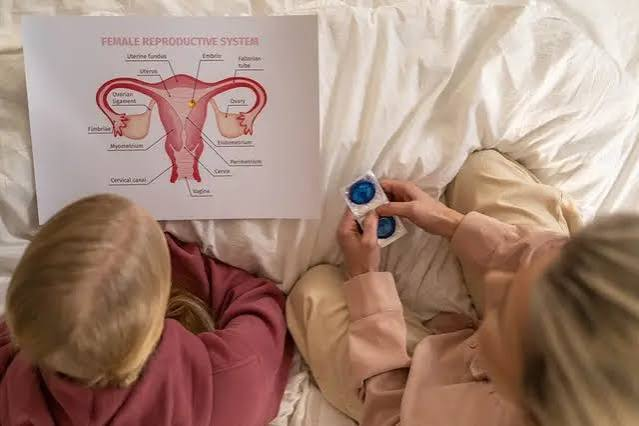
Treatment depends on the severity, location, age, fertility goals, and overall reproductive health.
Medication
If an active infection is responsible for the blockage, antibiotics may be prescribed to eliminate the infection before further treatment.
Laparoscopic Surgery
Minimally invasive surgery can:
- Remove scar tissue
- Open blocked tubes
- Separate adhesions
- Repair damaged sections when possible
Tubal Cannulation
For blockages near the uterus, specialists may insert a small catheter to clear the obstruction.
Salpingostomy
When fluid-filled blockage occurs near the ovarian end, surgeons may create a new opening in the tube.
Salpingectomy
If a tube is severely damaged, removal may be recommended, particularly before IVF treatment, to improve pregnancy outcomes.
In Vitro Fertilization (IVF)
IVF bypasses the fallopian tubes entirely by fertilizing the egg outside the body before transferring the embryo into the uterus.
For women with severe bilateral tubal damage, IVF often provides the highest chance of pregnancy.
Lifestyle Habits That Support Reproductive Health
Although lifestyle changes cannot reverse structural damage, they can improve overall reproductive wellness.
Helpful habits include:
- Practice safe sexual health.
- Seek prompt treatment for infections.
- Maintain a healthy body weight.
- Follow a balanced diet.
- Exercise regularly.
- Avoid smoking.
- Limit alcohol consumption.
- Attend regular gynecological checkups.
- Manage chronic medical conditions effectively.
These measures help reduce future reproductive complications.
Can Pregnancy Still Be Possible?
Yes. Many women with blocked or damaged fallopian tubes successfully achieve pregnancy through appropriate medical treatment.
The outcome depends on factors such as:
- Age
- Ovarian reserve
- Severity of tubal damage
- Overall reproductive health
- Presence of additional fertility conditions
- Quality of sperm
Early diagnosis usually provides more treatment options and better outcomes.
When Should You Consult a Fertility Specialist?
Medical advice should be sought if you experience:
- Inability to conceive after one year of regular unprotected intercourse
- Difficulty conceiving after six months if over the age of 35
- Recurrent pelvic infections
- Chronic pelvic pain
- Previous ectopic pregnancy
- History of endometriosis
- Multiple miscarriages
- Previous pelvic or abdominal surgery
Early consultation helps identify underlying causes before they become more complex.
Preventing Fallopian Tube Damage
While not every cause can be prevented, several precautions may reduce the risk.
Consider the following preventive measures:
- Practice protected sexual intercourse.
- Complete prescribed treatment for infections.
- Do not ignore pelvic pain.
- Attend routine reproductive health screenings.
- Follow medical advice after pelvic surgery.
- Maintain good personal hygiene.
- Seek immediate care for unusual symptoms.
Taking these preventive steps supports long-term reproductive health.
Conclusion
Blocked or damaged fallopian tubes can present significant challenges for women trying to conceive, but they do not necessarily mean the end of the journey toward parenthood. With timely diagnosis, appropriate treatment, and guidance from fertility specialists, many women successfully overcome tubal problems and achieve healthy pregnancies.
Understanding the causes, recognizing possible symptoms, and seeking early medical evaluation are the first steps toward protecting fertility. Advances in minimally invasive surgery, reproductive medicine, and assisted fertility treatments in aligarh
continue to offer hope to women facing tubal infertility. By prioritizing reproductive health and seeking expert care when needed, women can make informed choices and improve their chances of building the family they desire.